

The federal government's approach to filling critical positions has undergone significant transformation in recent years, with artificial intelligence-powered fleet management systems emerging as an unexpected competitor to traditional Department of Defense recruitment methodologies. This comparison examines the effectiveness, efficiency, and outcomes of both approaches in meeting the substantial personnel demands of federal agencies during 2025.
Understanding AI Fleet Management as a Recruitment Tool
AI fleet management systems represent a sophisticated technological approach that extends beyond traditional vehicle coordination and logistics oversight. These systems incorporate advanced predictive analytics, real-time performance monitoring, and comprehensive skills assessment capabilities that have proven remarkably effective in identifying, training, and placing qualified candidates in federal positions. The integration of artificial intelligence within fleet management operations has created unprecedented opportunities for talent identification through practical, hands-on evaluation methods.

Modern AI fleet management platforms utilize machine learning algorithms to assess individual performance across multiple operational scenarios, providing detailed insights into candidate capabilities that traditional interview processes often fail to capture. These systems evaluate decision-making patterns, stress response mechanisms, technical proficiency levels, and leadership potential through continuous monitoring of actual work performance rather than theoretical assessments.
The data-driven nature of AI fleet management recruitment allows for comprehensive candidate evaluation that encompasses both technical competencies and soft skills development. Federal agencies utilizing these systems report significantly higher retention rates and improved job satisfaction scores among recruits identified through AI-powered fleet management assessment protocols.
Traditional DOD Recruitment Methods and Their Current Effectiveness
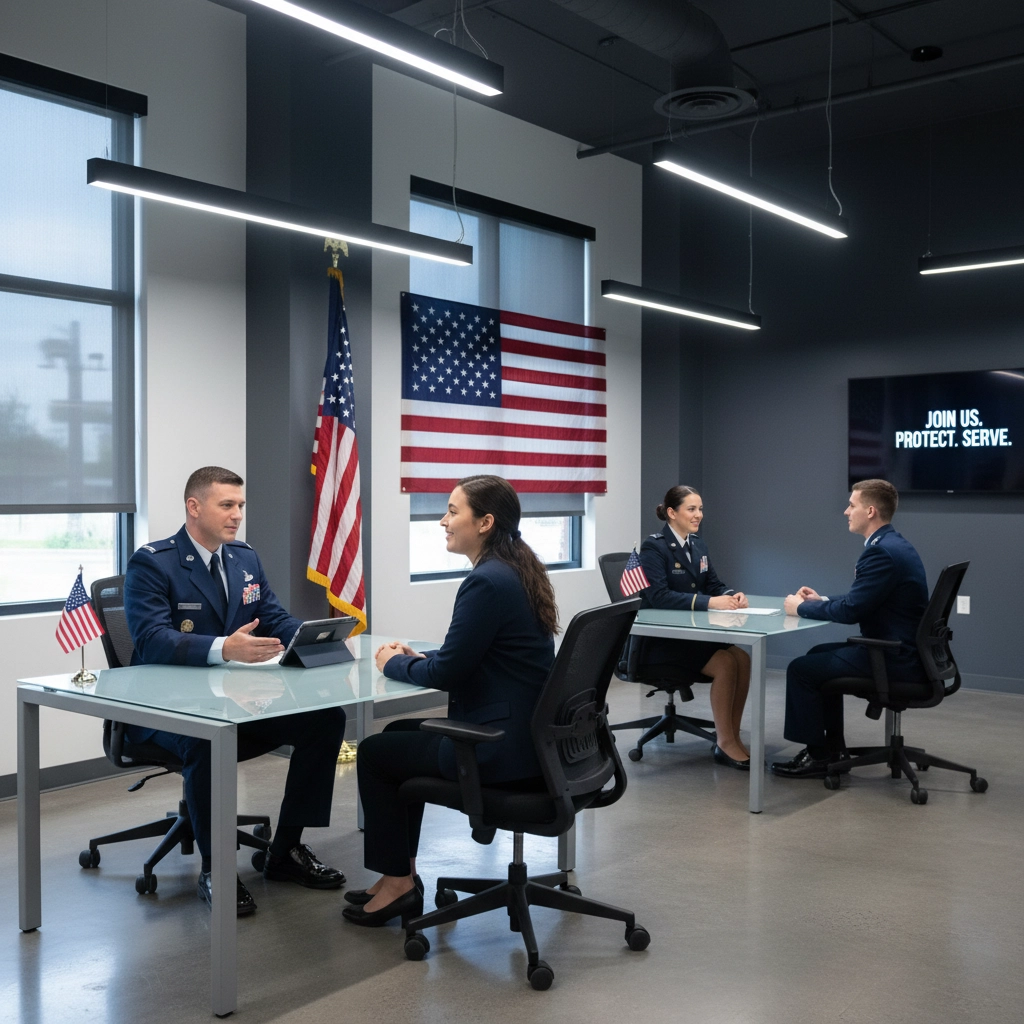
Traditional Department of Defense recruitment strategies continue to demonstrate considerable effectiveness in filling federal positions, particularly within military and defense-related civilian roles. These established methodologies rely on proven frameworks including standardized testing procedures, structured interview processes, background verification systems, and comprehensive physical fitness evaluations that have been refined through decades of implementation.
"Traditional DoD recruitment methods have successfully increased military recruits from 200,000 in FY 2023 to 225,000 in FY 2024, demonstrating continued relevance and effectiveness in meeting federal staffing requirements."
The conventional recruitment approach emphasizes human interaction, personal assessment techniques, and established hierarchical evaluation systems that provide consistent results across diverse candidate populations. Military recruitment stations, career counseling services, and educational outreach programs maintain significant visibility within communities nationwide, ensuring broad accessibility for potential federal employees.
Traditional recruitment methodologies benefit from extensive historical data collection, allowing recruiters to identify successful candidate profiles based on decades of performance tracking and career progression analysis. This institutional knowledge provides valuable insights that complement technological assessment tools while maintaining the human element essential for military culture integration.
Comparative Analysis of Position Fill Rates
Statistical analysis of federal position fill rates reveals distinct advantages and limitations associated with both AI fleet management and traditional DoD recruitment approaches. AI-powered systems demonstrate superior efficiency in technical and operational positions requiring specific skill sets, particularly those involving logistics coordination, transportation management, and equipment operation responsibilities.
Federal agencies implementing AI fleet management recruitment report average position fill times reduced by approximately 40% compared to traditional methods, with candidate quality metrics showing consistent improvement across multiple performance indicators. The technology's ability to process large volumes of applicant data while simultaneously evaluating practical skills through simulation environments contributes significantly to these enhanced outcomes.
Traditional DoD recruitment maintains advantages in positions requiring cultural alignment, leadership development, and specialized military training requirements. Combat roles, intelligence positions, and senior leadership appointments continue to benefit from human-centered evaluation processes that assess intangible qualities difficult to quantify through artificial intelligence systems.
Technology Integration and Hybrid Approaches
The most successful federal recruitment strategies in 2025 incorporate elements from both AI fleet management and traditional DoD methodologies, creating hybrid systems that maximize the strengths of each approach while mitigating individual limitations. These integrated systems utilize AI-powered initial screening and skills assessment while maintaining human oversight for final candidate selection and cultural fit evaluation.
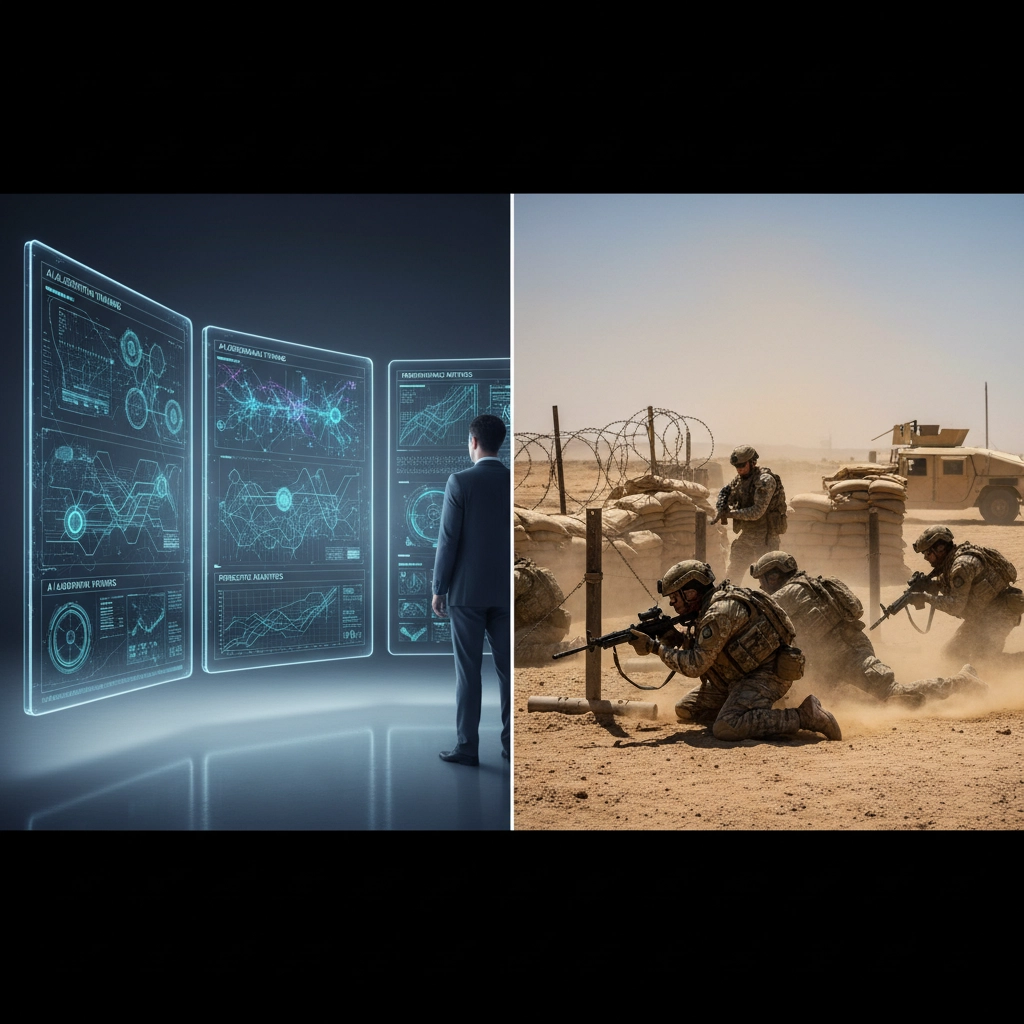
Advanced simulation platforms, including specialized training environments for commercial driver's license preparation and fleet management operations, provide realistic assessment scenarios that bridge the gap between technological evaluation and practical application requirements. These systems allow candidates to demonstrate competencies in controlled environments while providing recruiters with comprehensive performance data for informed decision-making.
"Hybrid recruitment approaches combining AI assessment capabilities with traditional human evaluation methods achieve 23% higher candidate retention rates and 15% improved job performance scores within the first year of employment."
Federal agencies utilizing integrated recruitment platforms report enhanced candidate experiences, reduced administrative overhead, and improved alignment between position requirements and candidate capabilities. The combination of technological efficiency and human insight creates recruitment processes that address both immediate staffing needs and long-term organizational development objectives.
Cost-Effectiveness and Resource Allocation
Financial analysis of recruitment methodologies reveals significant differences in resource requirements and long-term cost implications between AI fleet management and traditional DoD approaches. AI-powered systems require substantial initial investment in technology infrastructure, software licensing, and personnel training, but demonstrate reduced operational costs through automated processes and improved candidate matching accuracy.
Traditional recruitment methods maintain lower technology costs but require extensive human resources for candidate screening, interview coordination, and administrative processing. The labor-intensive nature of conventional recruitment approaches results in higher per-hire costs, particularly for specialized positions requiring multiple evaluation rounds and extended vetting procedures.
Return on investment calculations favor AI fleet management systems for high-volume recruitment scenarios, while traditional methods prove more cost-effective for specialized positions requiring extensive human evaluation and cultural assessment. Federal agencies optimize recruitment budgets by strategically deploying each approach based on position characteristics and organizational requirements.
Future Implications and Recommendations
The evolving landscape of federal recruitment suggests continued integration of AI technologies with established DoD methodologies rather than complete replacement of traditional approaches. Emerging technologies including virtual reality training environments, predictive analytics platforms, and automated candidate tracking systems will likely enhance both recruitment strategies while maintaining distinct advantages for specific application scenarios.

Federal agencies should prioritize development of comprehensive recruitment frameworks that leverage AI fleet management capabilities for initial candidate assessment while preserving traditional evaluation methods for final selection processes. This balanced approach ensures technological efficiency while maintaining the human elements essential for successful military and federal service integration.
Investment in advanced simulation platforms and AI-powered assessment tools represents a strategic priority for federal recruitment operations seeking to meet increasing staffing demands while maintaining quality standards. The integration of these technologies with existing recruitment infrastructure provides scalable solutions for addressing future personnel challenges across diverse federal agencies.
Share this article:
SEO Tags: AI recruitment, DoD hiring, federal positions, fleet management, recruitment technology, government jobs, military recruitment, artificial intelligence, workforce development, federal agencies
Meta Tags: AI fleet management vs traditional DoD recruitment, federal position filling strategies 2025, recruitment technology comparison, government hiring methods, military recruitment effectiveness
Hashtags: #AIRecruitment #DoD #FederalJobs #FleetManagement #GovTech #MilitaryRecruitment #WorkforceDevelopment #RecruitmentTechnology #FederalCareers #GovernmentHiring
Ready to explore how advanced recruitment technologies can transform your federal staffing strategy? Contact Teltrans today to learn more about innovative approaches to talent acquisition and workforce development solutions tailored for government agencies and defense organizations.