

The recruitment landscape for Department of Defense transportation roles faces unprecedented challenges as traditional methods encounter diminishing returns with Generation Z candidates. While conventional job fairs continue to operate across military installations and civilian venues, their effectiveness in attracting qualified personnel for specialized transportation positions requires careful examination alongside emerging digital recruitment strategies.
The intersection of eSports sponsorships and federal transportation recruitment represents a paradigm shift in how military branches and defense contractors identify, engage, and ultimately hire candidates for critical logistics and transportation roles. This evolution reflects broader changes in how younger demographics consume information, interact with potential employers, and make career decisions.
The Current State of Traditional Job Fairs
Traditional job fairs maintain a significant presence in recruitment strategies, with over 93.9% of employers indicating plans to conduct in-person career events for the 2024-25 academic year. However, the effectiveness of these events for specialized DOD transportation roles presents mixed results that warrant detailed analysis.
Job fairs offer several documented advantages for transportation recruitment. Over 60% of students attending career fairs receive job interviews, while employers report spending 20-40% less on recruiting costs compared to traditional online job board strategies. These face-to-face interactions enable transportation recruiters to immediately assess candidate communication skills, physical presentation, and initial interest levels in demanding logistics roles.
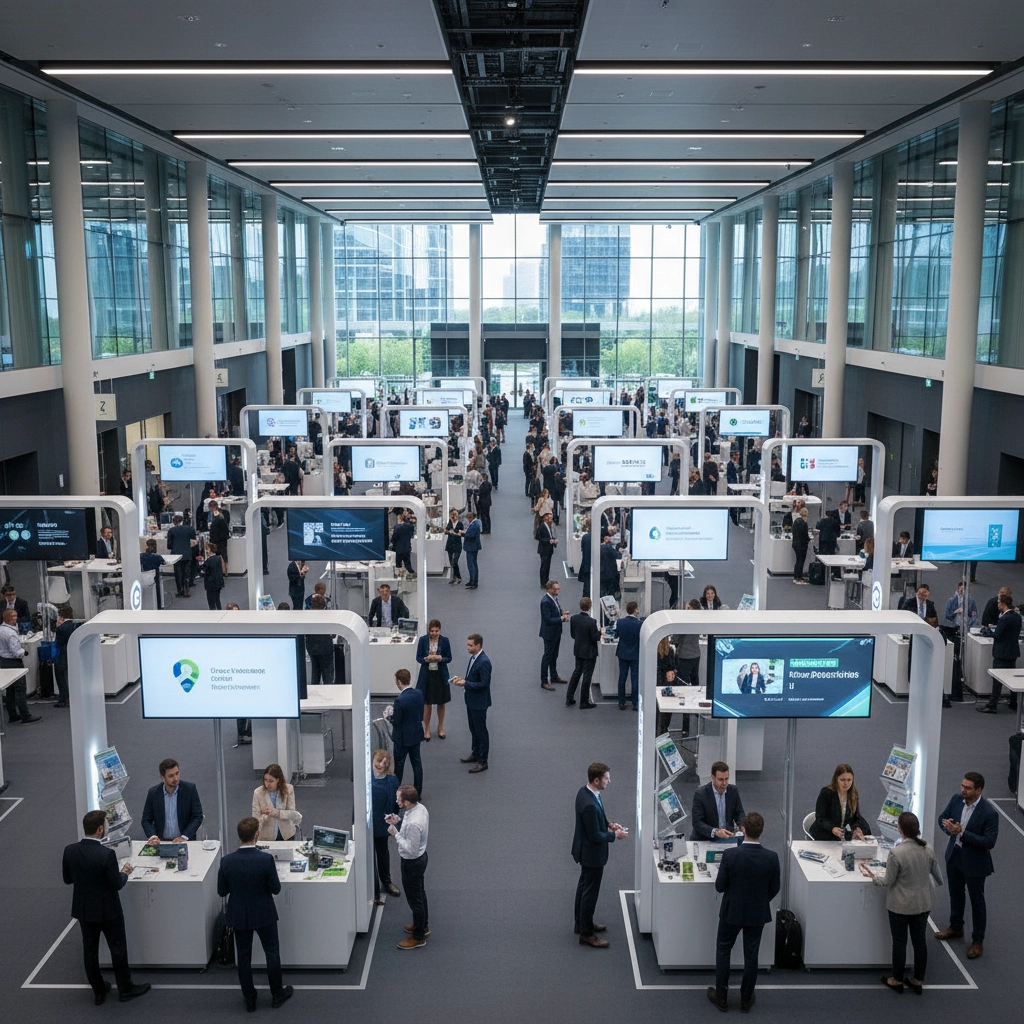
The limitations of traditional job fairs become apparent when examining the specific requirements for DOD transportation positions. These roles often require security clearances, specialized certifications, and technical competencies that cannot be adequately assessed during brief fair interactions. Additionally, the competitive environment at job fairs means transportation recruiters compete with multiple industries for the same candidate pool, often without the ability to effectively communicate the unique benefits and career progression opportunities within federal transportation systems.
"Job fairs struggle to meet modern hiring goals because candidates value their time differently, competition is fierce, and pre-screening doesn't occur before the event."
The geographic limitations of traditional job fairs further complicate DOD transportation recruitment. Many qualified candidates for these positions may not attend local career events, particularly those with existing civilian transportation experience or specialized technical backgrounds who represent ideal candidates for federal logistics roles.
Generation Z Recruitment Challenges in Transportation
Generation Z candidates approach career decisions through fundamentally different channels and criteria than previous generations, creating specific challenges for DOD transportation recruitment. The internet and social media serve as primary information sources for career exploration, with over 58% of Gen Z individuals using platforms like TikTok daily for various content consumption.
This demographic shift requires transportation recruiters to reconsider traditional messaging and engagement strategies. Gen Z candidates prioritize authentic communication, transparent career progression information, and immediate access to detailed role descriptions and benefits. Traditional recruitment materials for transportation positions often emphasize duty, service, and long-term stability: messaging that may not resonate as effectively with candidates who seek immediate relevance and personal impact.

The technical nature of many DOD transportation roles creates additional recruitment complexities. Positions involving logistics coordination, supply chain management, vehicle maintenance, and transportation security require specific skill sets that may not be immediately obvious to Gen Z candidates browsing general military or federal career information.
Transportation recruiters must also address misconceptions about military and federal transportation careers. Many Gen Z candidates may not understand the technological sophistication, career advancement opportunities, or civilian skill transferability inherent in modern DOD transportation roles.
eSports as a Strategic Recruitment Platform
eSports environments provide unique opportunities for DOD transportation recruitment by creating natural connection points between potential candidates and military logistics themes. Nearly every branch of the military now maintains official service-sanctioned gaming initiatives, recognizing the strategic value of engaging audiences through military-themed games and live-streaming platforms.
The eSports ecosystem offers several advantages for transportation recruitment. Gaming communities often include individuals with technical aptitudes, strategic thinking capabilities, and collaborative skills that translate effectively to logistics and transportation roles. Additionally, eSports events and streaming platforms operate outside traditional business hours, enabling recruiters to reach candidates who may not attend conventional career events.
Military-themed games frequently feature logistics, supply chain, and transportation elements that provide natural conversation starters for recruiters. Candidates who demonstrate strategic thinking in complex gaming scenarios may possess transferable skills valuable in DOD transportation planning and execution roles.
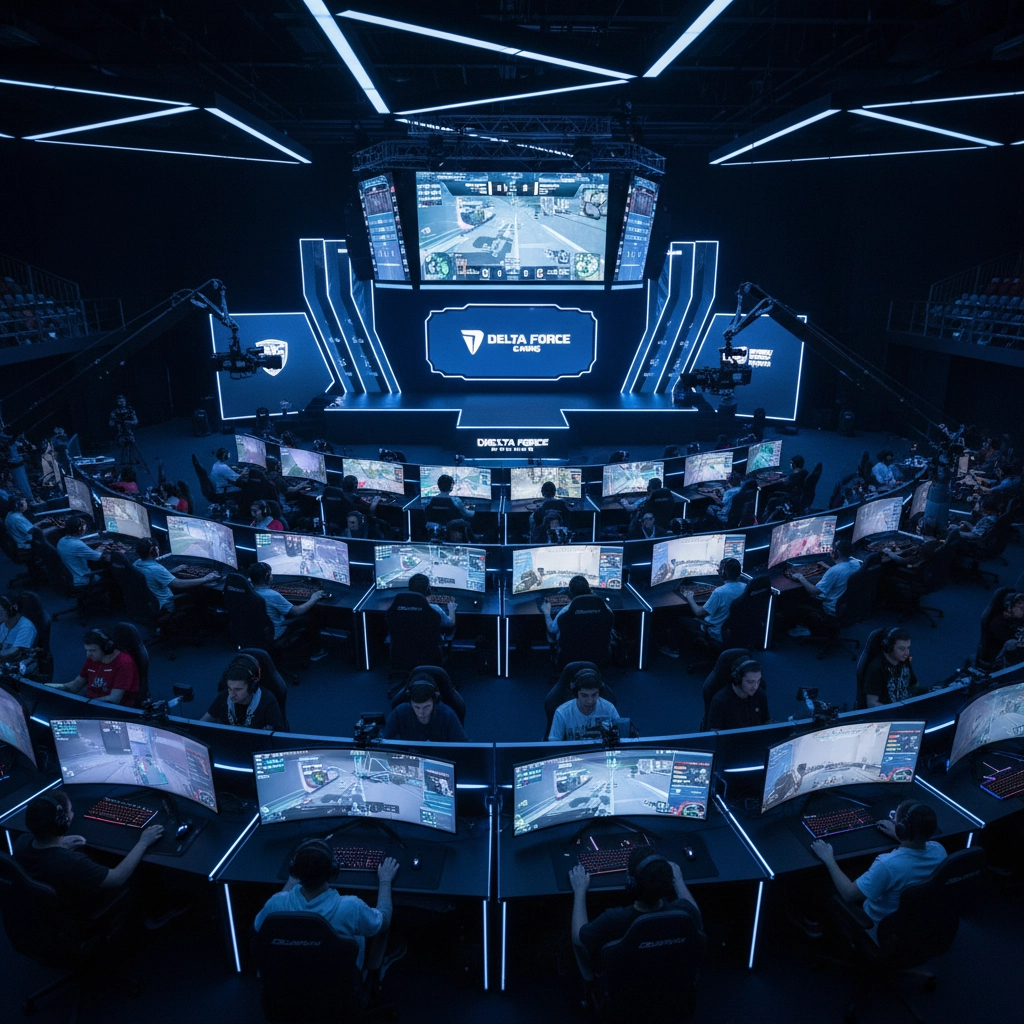
eSports sponsorships enable transportation recruiters to engage audiences over extended periods rather than brief job fair interactions. Sponsored content, tournament partnerships, and influencer collaborations create multiple touchpoints that allow for gradual relationship building and detailed information sharing about specific transportation career opportunities.
The data-driven nature of eSports platforms provides recruitment analytics unavailable through traditional job fairs. Recruiters can track engagement metrics, content performance, and audience demographics to optimize messaging and targeting strategies for transportation roles.
"eSports represents a natural connection to potential recruits through military-themed games and live-streaming platforms like Twitch and YouTube, creating highly engaged audiences that provide productive touchpoints for recruiters."
Implementing eSports Recruitment for Transportation Roles
Successful integration of eSports sponsorships into DOD transportation recruitment requires strategic planning that aligns gaming content with specific role requirements and career benefits. Transportation recruiters must identify gaming communities and content creators whose audiences demonstrate relevant interests and qualifications.
Sponsored content should emphasize the technological aspects of modern transportation roles, highlighting advanced logistics systems, autonomous vehicle programs, and integrated supply chain technologies that appeal to gaming audiences. This approach positions DOD transportation careers as cutting-edge opportunities rather than traditional military roles.
Partnership strategies might include sponsoring transportation-themed gaming tournaments, supporting content creators who focus on logistics simulation games, or developing custom gaming experiences that showcase real DOD transportation scenarios and technologies.
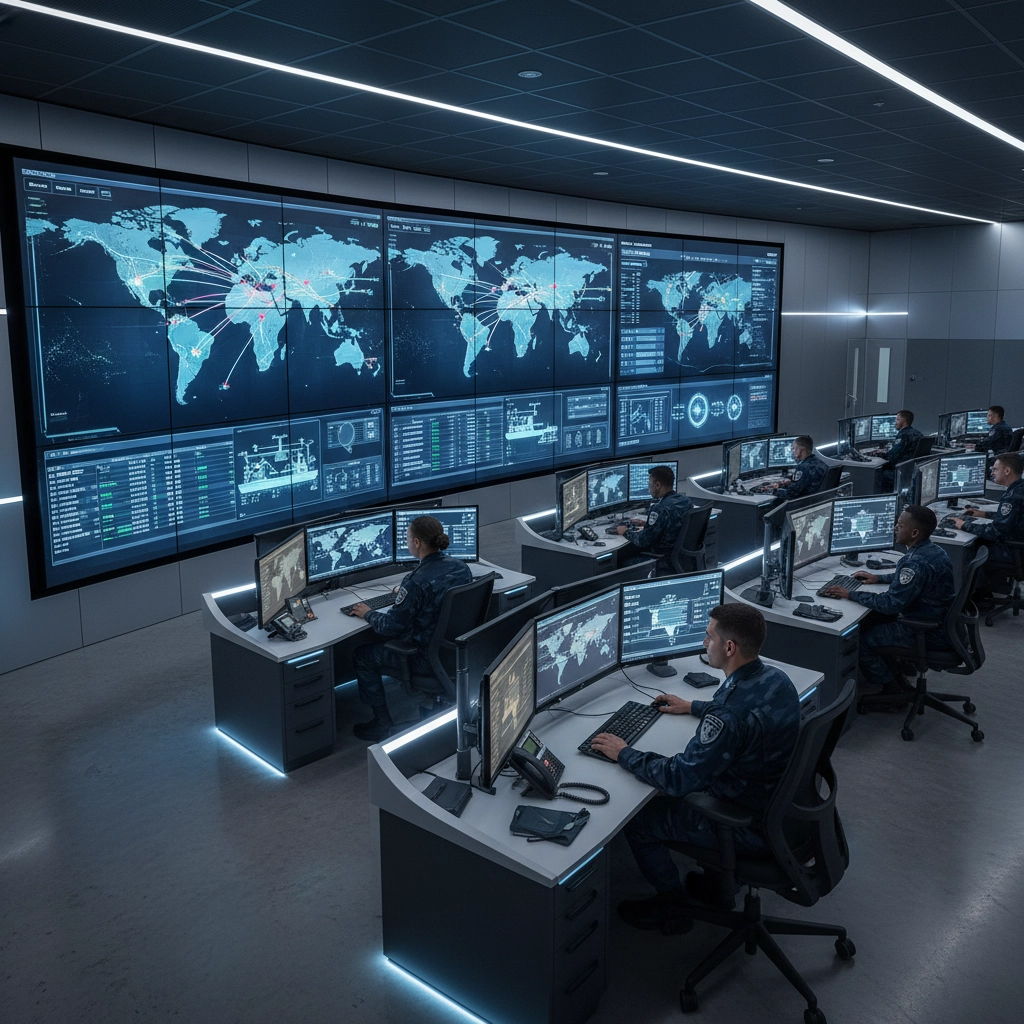
The integration of simulation technologies creates additional recruitment opportunities. Many eSports enthusiasts already engage with simulation games that mirror real-world transportation and logistics challenges. Recruiters can leverage this existing interest to demonstrate career relevance and provide realistic job previews through gaming experiences.
Measurement and optimization remain critical components of eSports recruitment strategies. Transportation recruiters must establish clear metrics for engagement, lead generation, and ultimate hiring success to justify investment in these non-traditional recruitment channels.
The Future of Hybrid Recruitment Strategies
The most effective approach to DOD transportation recruitment combines traditional job fair participation with strategic eSports engagement and digital marketing initiatives. This hybrid model recognizes the continued value of in-person interactions while expanding reach through emerging platforms.
Traditional job fairs provide immediate relationship-building opportunities and allow for detailed discussion of specific transportation roles, benefits, and career progression. However, these events should be enhanced with digital follow-up strategies that maintain candidate engagement through social media and gaming platforms.
eSports sponsorships serve as top-of-funnel activities that generate awareness and initial interest in DOD transportation careers. These digital touchpoints can be designed to direct qualified candidates toward traditional recruitment events or direct application processes.
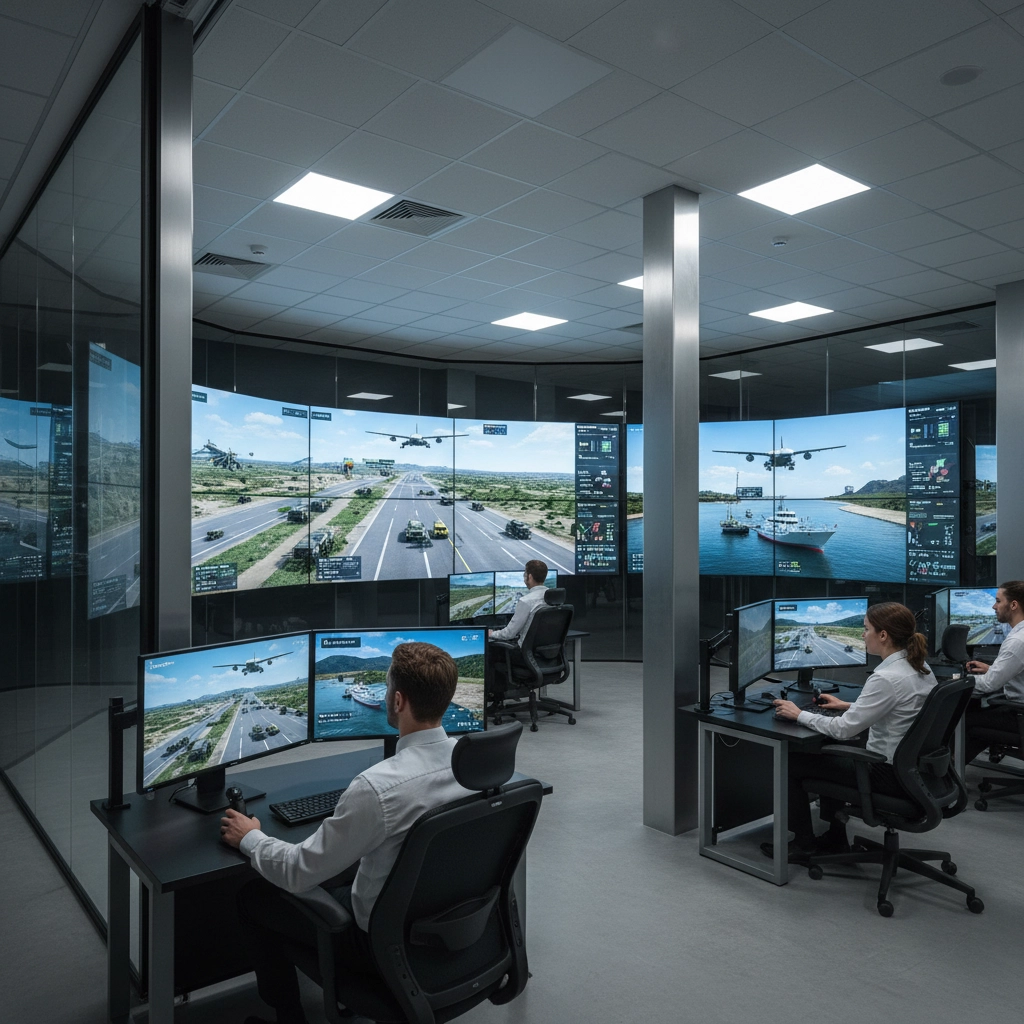
The integration of these strategies requires coordination between recruitment teams, marketing specialists, and digital content creators. Transportation recruiters must develop competencies in both traditional relationship-building and digital engagement to effectively manage hybrid recruitment campaigns.
Data integration across platforms becomes essential for tracking candidate journeys from initial eSports engagement through final hiring decisions. This comprehensive approach enables continuous optimization of both traditional and digital recruitment strategies based on actual hiring outcomes.
Conclusion and Strategic Implementation
The question of whether traditional job fairs are dead oversimplifies the current recruitment landscape for DOD transportation roles. While these events continue to provide value for immediate candidate assessment and relationship building, their effectiveness must be enhanced through strategic integration with digital platforms and eSports engagement strategies.
Generation Z recruitment for specialized transportation roles requires multi-channel approaches that combine the personal connection of traditional job fairs with the reach and engagement capabilities of eSports sponsorships. Organizations that successfully integrate these strategies will achieve competitive advantages in attracting qualified candidates for critical transportation positions.
The evolution of recruitment strategies reflects broader changes in communication preferences, career decision-making processes, and the technological sophistication of modern DOD transportation roles. Recruiters who adapt to these changes while maintaining the core relationship-building elements of traditional recruitment will achieve optimal results in competitive talent markets.
For more insights on modern federal recruitment strategies, explore our comprehensive guides on attracting Gen Z talent to federal careers and AI-powered recruitment strategies that work.
Ready to revolutionize your DOD transportation recruitment strategy? Contact Teltrans today to discuss how our specialized marketing and advertising solutions can integrate traditional and digital recruitment approaches to attract the best Gen Z talent for your critical transportation roles.
Share this post:
Tags: #DODRecruitment #eSportsRecruiting #GenZTalent #TransportationCareers #FederalJobs #MilitaryRecruitment #HybridRecruitment #TalentAcquisition #Defense #Logistics
Meta Description: Discover how eSports sponsorships are revolutionizing DOD transportation recruitment while traditional job fairs evolve to attract Gen Z talent in federal logistics roles.