

The Department of Defense stands at the precipice of a transformative shift in transportation logistics, driven by the comprehensive adoption of electric vehicle technology across military operations. This strategic evolution encompasses not merely the replacement of traditional fuel-powered vehicles, but rather a fundamental restructuring of logistical frameworks, operational methodologies, and infrastructure development initiatives that collectively redefine military transportation capabilities.
Strategic Timeline and Implementation Framework
The Department of Defense has established ambitious electrification objectives that will fundamentally alter military logistics operations throughout the next decade. The strategic framework includes electrifying major portions of combat vehicle fleets by 2035, with hybrid-electric prototypes scheduled for deployment as early as 2025. The immediate timeline focuses on electrifying all new light-duty vehicles by 2027, supported by the development of a nationwide network comprising 500,000 charging stations.
This comprehensive approach reflects the recognition that electric vehicle adoption represents a critical national security imperative rather than simply an environmental consideration. The Pentagon's development of a sustainability plan specifically targeting zero-emissions non-tactical vehicle fleets demonstrates the scope, urgency, and strategic importance of this technological transformation.

The implementation strategy encompasses multiple phases of development, each designed to address specific operational requirements while maintaining mission readiness throughout the transition period. The phased approach allows for systematic integration of electric vehicle technology without compromising current operational capabilities or strategic positioning.
Operational Advantages in Military Logistics
Electric vehicle technology delivers substantial operational benefits that directly enhance military effectiveness and logistical efficiency. Electric powered vehicles provide the potential to double ground force operational reach, increase performance capabilities, and reduce the Army's overall logistics burden by approximately half. These improvements stem from the inherent advantages that electric propulsion systems offer over conventional fossil fuel-powered alternatives.
The quiet operation characteristic of electric vehicles provides significant tactical advantages, enabling military units to transport personnel and sensitive equipment with dramatically reduced acoustic signatures. This stealth capability proves particularly valuable in contested environments where operational security depends upon maintaining low detection profiles during movement and positioning operations.
Hybrid-electric light tactical vehicles demonstrate the capability to outpace adversaries relying on traditional logistics systems, providing speed and maneuverability advantages in dynamic operational environments.
The reduced maintenance requirements associated with electric propulsion systems translate into decreased downtime and improved vehicle availability rates. Electric motors contain fewer moving parts compared to internal combustion engines, resulting in reduced maintenance schedules, lower parts inventory requirements, and enhanced operational readiness across military vehicle fleets.
Infrastructure Development and Energy Security
The Department of Defense electrification strategy encompasses comprehensive infrastructure modernization initiatives across military installations worldwide. These development efforts include substantial investments in renewable energy sources, including solar, wind, and geothermal systems, designed to power facilities while reducing dependence on traditional fossil fuel supplies.
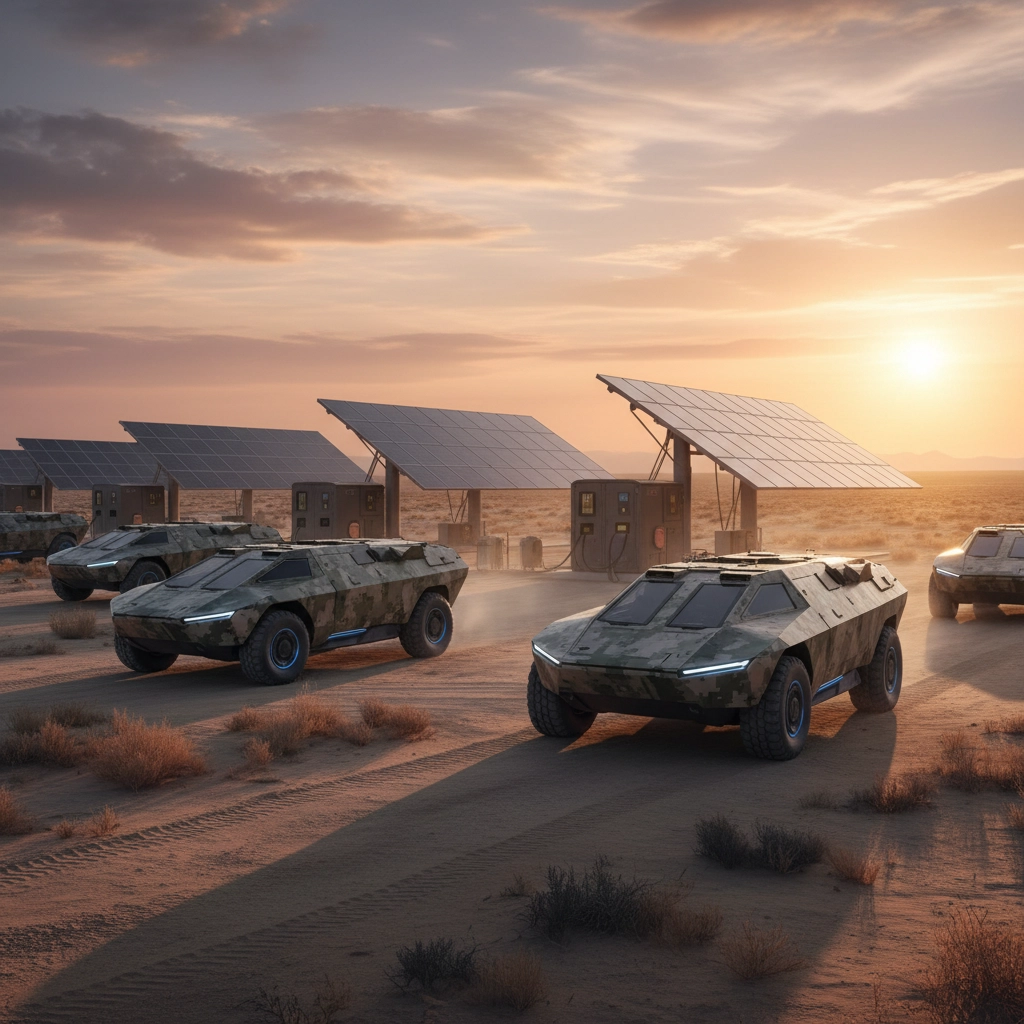
Critical infrastructure development focuses on the establishment of microgrids capable of operating independently from main power grid systems. These autonomous energy networks ensure operational continuity during power disruptions while supporting critical military operations through reliable, self-sufficient power generation and distribution capabilities.
The procurement of electric vehicles for administrative and logistical purposes requires parallel development of charging infrastructure across military bases. This infrastructure development represents a substantial investment in supporting systems necessary for successful fleet electrification while maintaining operational capabilities throughout the transition period.
Advanced charging systems incorporate smart grid technology, load management capabilities, and integration with renewable energy sources to optimize power distribution and minimize operational costs. These sophisticated systems enable efficient energy utilization while supporting the diverse charging requirements of mixed vehicle fleets operating across varied mission profiles.
Economic Benefits and Strategic Resilience
The transition away from fossil fuel dependency addresses multiple vulnerabilities that have historically affected military logistics operations. Traditional fuel dependency exposes the Department of Defense to price volatility and creates substantial maintenance burdens, as gasoline and diesel fuels maintain storage viability for only six months to one year under optimal conditions.
The limited shelf life of fossil fuels creates ongoing burdens related to maintenance and economic security, requiring constant fuel rotation and real-time purchasing that exposes military operations to market fluctuations and supply chain vulnerabilities. The Department of Defense currently serves as the United States government's largest bulk fuel purchaser and consumer, expending approximately 81 billion dollars annually to protect global oil supplies.

Electric vehicle adoption significantly reduces this economic exposure while eliminating risks associated with fuel storage, transportation, and handling. The strategic benefits include enhanced energy security, reduced logistical vulnerability, and decreased exposure to volatile commodity markets that can affect operational budgets and strategic planning initiatives.
Long-term cost analysis demonstrates substantial savings potential through reduced fuel consumption, decreased maintenance requirements, and improved operational efficiency. These economic advantages support increased defense spending effectiveness while enhancing overall military readiness through improved resource allocation and strategic flexibility.
Implementation Progress and Adoption Metrics
The pace of electric vehicle adoption within Department of Defense operations has accelerated dramatically in recent years, demonstrating both feasibility and growing institutional acceptance of electric vehicle technology. At the United States Army, twenty-seven percent of new or replacement light-duty vehicles ordered in 2022 represented electric vehicles or plug-in hybrids, compared to just one percent in the previous year.
This remarkable increase reflects improved confidence in electric vehicle technology and growing recognition of strategic advantages associated with electrified transportation systems. The National Renewable Energy Laboratory has contributed significantly to this acceleration, facilitating increased electric vehicle acquisitions in federal fleets with nearly sixfold growth from 2021 to 2022.
The rapid adoption rate demonstrates successful integration of electric vehicle technology within existing operational frameworks while maintaining mission effectiveness and readiness standards.
Current metrics indicate sustained momentum in electric vehicle adoption across multiple service branches, with procurement targets and operational deployment schedules supporting continued expansion of electrified vehicle fleets. Progress tracking includes vehicle performance analysis, operational cost assessment, and mission effectiveness evaluation to ensure successful integration without compromising military capabilities.
Advanced Technology Integration
Department of Defense electrification efforts extend beyond basic vehicle replacement to encompass advanced battery technologies and integrated systems development. Lithium-sulfur and solid-state batteries drive innovation in defense applications, with specialized facilities targeting substantial capacity increases by 2032 for drones, satellites, and various military systems.
These advanced battery technologies offer energy density specifications of 1,000 watt-hours per liter, making them particularly suitable for compact military devices and mission-critical systems requiring high energy storage capacity within limited space constraints. The technological advancement supports enhanced operational capabilities while reducing logistical requirements for power systems across diverse military applications.

Integration of advanced technologies includes vehicle-to-grid capabilities, enabling military vehicles to serve as mobile power sources for field operations and emergency response situations. This bidirectional power capability enhances operational flexibility while providing backup power options for critical systems during extended deployments or emergency operations.
Smart vehicle technologies incorporate artificial intelligence systems for predictive maintenance, route optimization, and energy management. These intelligent systems enhance operational efficiency while reducing maintenance costs and improving vehicle availability rates across military fleets operating in diverse environmental conditions.
Transportation Marketing and Strategic Communications
The successful implementation of electric vehicle adoption within Department of Defense logistics requires comprehensive communication strategies that effectively convey operational benefits, strategic advantages, and implementation progress to stakeholders across military and civilian sectors. Transportation marketing initiatives support public understanding of electrification benefits while promoting continued investment in supporting infrastructure and technology development.
Strategic communications emphasize the dual benefits of enhanced military capabilities and environmental responsibility, positioning electric vehicle adoption as both operationally advantageous and strategically necessary for long-term military effectiveness. Marketing approaches highlight successful implementation examples, cost savings achievements, and operational performance improvements to build support for continued expansion initiatives.
The transformation of Department of Defense transportation logistics through electric vehicle adoption represents a comprehensive evolution of military mobility capabilities, combining immediate operational advantages with substantial long-term strategic benefits. This fundamental shift toward electrification enhances combat effectiveness while reducing logistical vulnerabilities, positioning military forces for greater energy independence and operational flexibility in future operational environments.
Share this post:
SEO Tags: #DODElectrification #MilitaryLogistics #ElectricVehicles #DefenseTransportation #SustainableDefense #MilitaryInnovation #TransportationMarketing #DefenseTechnology
Meta Tags: DOD electric vehicle adoption, military logistics transformation, defense transportation electrification, sustainable military operations, electric vehicle infrastructure
Ready to explore how transportation marketing and logistics solutions can enhance your organization's operational efficiency? Contact Teltrans today to discover innovative strategies that align with modern transportation trends and technological advancement initiatives.