

The Department of Defense transportation sector confronts an unprecedented challenge in retaining and recruiting qualified military personnel, particularly when competing against well-funded corporate entities that possess extensive resources, competitive compensation packages, and comprehensive benefit structures. The transportation industry within the DOD framework requires specialized expertise, operational knowledge, and leadership capabilities that align closely with military training and experience, yet many qualified candidates migrate toward private sector opportunities that appear to offer greater financial incentives and career advancement prospects.
Military personnel transitioning from active duty service possess highly transferable skill sets that include leadership development, operational planning, logistics coordination, safety protocol adherence, and team management capabilities. These competencies directly correspond to the requirements of DOD transportation positions, creating a natural alignment between candidate qualifications and organizational needs. However, the recruitment and retention processes often fail to effectively communicate the value proposition, career development opportunities, and mission-critical importance of DOD transportation roles.
The strategic implementation of targeted transportation marketing approaches can significantly reduce recruitment timeframes while improving candidate quality and long-term retention rates within DOD transportation divisions.
Marketing Hack 1: Deploy Geographic-Specific Digital Campaigns
Digital marketing strategies that target specific geographic regions where military installations, veteran communities, and transportation hubs intersect create concentrated pools of qualified candidates who possess both relevant experience and geographic accessibility. These campaigns utilize location-based advertising parameters, demographic targeting specifications, and career transition timing to reach military personnel during optimal decision-making periods.

Social media platforms provide sophisticated targeting mechanisms that enable recruitment teams to focus on individuals with military experience, transportation-related military occupational specialties, and proximity to DOD facilities. Facebook advertising campaigns can target users based on military service history, educational background, current location, and career interests, while LinkedIn campaigns can focus on professional networks, skill sets, and industry connections.
The implementation of geo-targeted campaigns requires comprehensive analysis of military transition patterns, regional employment markets, and competitive landscape assessments. Campaign messaging should emphasize mission continuity, service to country, and professional development opportunities that distinguish DOD positions from private sector alternatives. Tracking mechanisms should monitor engagement rates, application conversion rates, and geographic distribution of qualified candidates to optimize campaign performance and resource allocation.
Marketing Hack 2: Leverage Transportation Industry Partnerships
Strategic partnerships with civilian transportation companies, military transition programs, and veteran service organizations create referral networks that extend recruitment reach beyond traditional DOD channels. These partnerships facilitate access to experienced transportation professionals who may be considering career transitions, seeking advancement opportunities, or exploring public service alternatives to private sector employment.
Industry partnerships enable knowledge sharing regarding recruitment best practices, compensation benchmarking, and talent pipeline development strategies. Collaborative relationships with organizations such as TransForce's Troops Into Transportation program provide access to certified military personnel who have completed specialized training in transportation operations, logistics management, and safety protocols.
Partnership development requires mutual value creation, where DOD transportation divisions offer expertise, training opportunities, and career pathways while industry partners provide candidate access, recruitment insights, and market intelligence.
The partnership framework should include formal agreements that outline recruitment collaboration terms, candidate referral processes, and information sharing protocols. Regular communication channels should facilitate ongoing dialogue regarding market conditions, candidate availability, and recruitment strategy adjustments based on partnership feedback and results analysis.
Marketing Hack 3: Implement Skills-Based Recruitment Messaging
Traditional recruitment approaches often emphasize job descriptions, qualification requirements, and organizational structure rather than connecting candidate skills to mission outcomes and career advancement possibilities. Skills-based messaging frameworks translate military experience into DOD transportation context, demonstrating clear pathways from military service to civilian DOD roles while highlighting transferable competencies and professional development opportunities.
Military personnel respond to recruitment messaging that acknowledges their existing capabilities while presenting growth opportunities that utilize their experience in meaningful ways. Transportation marketing materials should emphasize leadership responsibilities, operational impact, technology integration, and strategic planning components that align with military career progression expectations.

Communication strategies should address specific military occupational specialties that translate effectively to DOD transportation roles, including vehicle maintenance specialists, logistics coordinators, transportation planners, and operational managers. Messaging should provide concrete examples of career advancement possibilities, salary progression timelines, and professional development programs that demonstrate long-term value proposition compared to private sector alternatives.
The skills-based approach requires comprehensive understanding of military training programs, certification requirements, and career progression structures to effectively translate military experience into DOD transportation context. Recruitment materials should include testimonials from successful military-to-DOD transitions, career progression case studies, and specific examples of how military skills contribute to transportation mission success.
Marketing Hack 4: Optimize Compensation Communication Strategies
Research indicates that 82.6% of transportation candidates consider pay information the most important factor in employment decisions, making compensation communication a critical component of successful recruitment campaigns. DOD transportation positions often provide competitive total compensation packages that include salary, benefits, retirement contributions, and job security, but these advantages require clear articulation to compete effectively against private sector offerings.
Compensation communication strategies should present total value propositions rather than focusing solely on base salary figures. Federal employment benefits include health insurance coverage, retirement planning through the Federal Employees Retirement System, paid time off, professional development funding, and job security that private sector positions may not provide. These benefits require quantification and comparison to demonstrate competitive advantage.
Transparent compensation communication builds candidate trust and reduces application-to-hiring cycle time by establishing clear expectations and demonstrating organizational commitment to competitive employment practices.
Marketing materials should include compensation calculators, benefit comparison charts, and career progression salary examples that enable candidates to evaluate total compensation packages accurately. Communication should address common misconceptions about federal employment compensation while highlighting unique advantages such as pension plans, health insurance portability, and advancement opportunities based on performance rather than organizational politics.
The compensation messaging framework should be regularly updated based on market analysis, competitor benchmarking, and candidate feedback to ensure accuracy and competitiveness. Regular surveys of departing employees and unsuccessful candidates provide insights into compensation-related decision factors and areas for improvement in communication strategies.
Marketing Hack 5: Create Accelerated Onboarding Pathways
The 30-day recruitment timeline requires streamlined processes that reduce administrative delays, expedite security clearance procedures, and provide clear pathways from application to employment. Accelerated onboarding pathways demonstrate organizational efficiency and commitment to candidate experience while reducing the risk of qualified candidates accepting alternative employment during extended recruitment processes.
Fast-track recruitment protocols should include pre-screening mechanisms, standardized interview processes, conditional offer procedures, and parallel security clearance processing that minimize time between candidate identification and employment commencement. These protocols require coordination between human resources, security personnel, and hiring managers to ensure seamless candidate progression through recruitment stages.
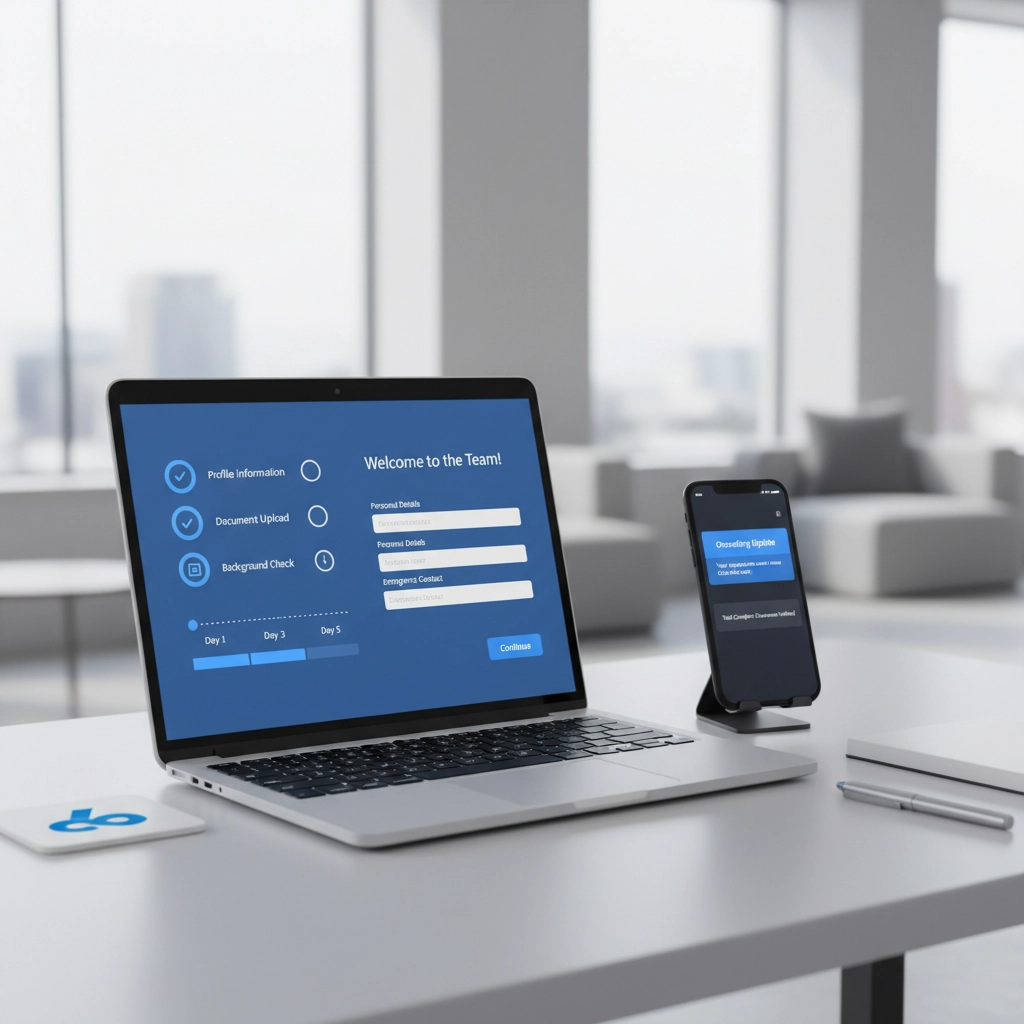
Technology platforms can facilitate automated application processing, candidate tracking, and communication management to reduce manual administrative tasks and accelerate decision-making processes. Digital onboarding systems should provide candidates with real-time status updates, next-step guidance, and timeline expectations to maintain engagement throughout the recruitment process.
The accelerated pathway approach requires comprehensive preparation including pre-approved position descriptions, standardized evaluation criteria, and established approval workflows that enable rapid decision-making when qualified candidates are identified. Regular process analysis and optimization ensure that acceleration efforts maintain recruitment quality while achieving timeline objectives.
Implementation of these five transportation marketing hacks requires coordinated execution, performance monitoring, and continuous optimization based on recruitment results and candidate feedback analysis.
DOD transportation divisions that successfully implement these marketing strategies demonstrate measurable improvements in recruitment timeline reduction, candidate quality enhancement, and long-term retention rates. The combination of targeted digital campaigns, strategic partnerships, skills-based messaging, transparent compensation communication, and accelerated onboarding creates comprehensive recruitment frameworks that compete effectively against private sector alternatives while maintaining the mission-focused culture essential to DOD operations.
Ready to revolutionize your DOD transportation recruitment strategy? Contact Teltrans today to discover how our specialized transportation marketing solutions can help you attract and retain top military talent in competitive timeframes.
Share this post:
SEO Tags: #DODRecruitment #MilitaryTalent #TransportationMarketing #FederalJobs #VeteranCareers #DefenseJobs #MilitaryTransition #TransportationJobs #GovernmentCareers #Teltrans
Meta Tags: DOD recruitment, military talent acquisition, transportation marketing, federal employment, veteran careers, defense contractor jobs, military transition programs, government transportation jobs