

Government contractors operating with legacy logistics systems face substantial financial losses that extend far beyond visible operational expenses. These hidden costs create cascading effects throughout supply chains, ultimately undermining profitability and competitive positioning in an increasingly demanding federal contracting environment.
The Department of Defense alone has identified potential savings exceeding several billion dollars through comprehensive logistics modernization initiatives. This substantial figure underscores the magnitude of inefficiencies plaguing contractor operations and highlights the urgent need for systematic infrastructure improvements across the federal contracting ecosystem.
Data Fragmentation and System Integration Challenges
The most pervasive hidden cost stems from siloed data systems that prevent real-time visibility across operational divisions. Warehouse management, transportation coordination, and procurement teams frequently operate separate systems that lack communication protocols, forcing managers to make critical decisions based on incomplete or outdated information.

This fragmentation becomes particularly problematic for government contractors who must meet stringent compliance requirements and delivery schedules. When supply chain disruptions occur, whether from supplier delays or sudden demand fluctuations, siloed operations struggle to respond effectively. Each department must manually gather data from other divisions, consuming valuable time when rapid response proves essential for maintaining contract performance standards.
Legacy systems create information barriers that prevent contractors from leveraging available resources across different operational silos, resulting in missed opportunities and increased operational costs.
The cumulative effect of data fragmentation extends beyond immediate operational inefficiencies. Contractors lose opportunities to optimize inventory utilization across multiple locations, coordinate transportation resources effectively, and implement predictive maintenance schedules that could prevent costly equipment failures.
Manual Process Inefficiencies and Labor Cost Implications
Wasted labor hours represent one of the largest hidden expenses for contractors utilizing legacy systems. Skilled personnel allocate significant time to duplicate data entry, error correction, and manual coordination activities rather than focusing on high-value strategic initiatives that drive operational excellence.
These manual processes prove particularly costly for government contractors who employ specialized technical staff whose expertise could generate greater value through core mission-critical activities. The opportunity cost of utilizing highly trained personnel for routine data management tasks compounds the direct labor expenses associated with outdated system maintenance.
Manual operations create cascading inefficiencies throughout logistics chains. Outdated processes for data entry, order processing, and inventory tracking consume excessive time while remaining prone to human error, resulting in additional labor costs and operational delays that impact contract performance metrics.

Decision-Making Delays and Operational Response Times
Legacy systems create prolonged decision-making cycles that prove particularly damaging for government contractors operating under strict deadlines and performance standards. Slow, fragmented data compilation forces managers to delay critical decisions, resulting in sluggish responses to disruptions that ultimately generate increased expenses through missed opportunities or emergency corrective measures.
Every manual data error requires additional work to correct, often necessitating costly rush shipments or expedited processing to recover from mistakes. For government contractors, these errors carry additional consequences including potential contract penalties, compliance violations, and damage to critical client relationships that affect future contracting opportunities.
Delayed decision-making cycles compound operational costs through missed optimization opportunities and reactive rather than proactive operational management strategies.
The financial impact of decision delays extends beyond immediate correction costs. Contractors face indirect expenses through reduced operational efficiency, customer satisfaction degradation, and competitive disadvantage in future contract competitions where past performance metrics influence award decisions.
Storage and Inventory Management Cost Overruns
Unexpected storage fees accumulate when inventory remains in warehouses longer than anticipated, often due to inadequate demand forecasting or supply chain disruptions that legacy systems cannot predict or accommodate effectively. Government contractors face particular challenges in this area due to specialized material requirements and unpredictable demand patterns for unique or classified components.
Overstocking becomes especially problematic when contractors lack real-time visibility into inventory levels across multiple storage locations. Without integrated systems providing accurate demand forecasting capabilities, contractors maintain excessive safety stock that ties up working capital and increases warehousing costs unnecessarily.

These inventory management inefficiencies create compound costs through multiple channels. Excess inventory requires additional storage space, insurance coverage, and handling resources while potentially becoming obsolete before utilization. The capital tied up in unnecessary inventory could otherwise support operational improvements or business expansion initiatives.
Transportation and Routing Optimization Failures
Outdated supply chain systems frequently employ inefficient routing strategies that generate higher fuel costs, extended delivery times, and increased risk of delivery failures. Poor supply chain distribution wastes both financial resources and operational time, as legacy systems lack real-time tracking capabilities necessary for route optimization and schedule coordination.
Detention and demurrage charges accumulate when cargo processing exceeds allotted timeframes, costs that escalate rapidly and disrupt subsequent supply chain operations. Government contractors face additional pressure in this area due to security requirements and specialized handling procedures that extend processing times at ports and secure facilities.
The transportation inefficiencies extend beyond direct fuel and carrier costs. Inefficient routing increases vehicle wear, driver fatigue, and maintenance requirements while potentially compromising delivery reliability that affects customer satisfaction and contract performance ratings.
Innovation Barriers and Competitive Disadvantage
Perhaps the most significant long-term hidden cost involves missed innovation opportunities that result from dedicating resources to legacy system maintenance rather than modernization initiatives. Budget and IT resources consumed by outdated infrastructure could support new analytics capabilities, automation technologies, and competitive advantages in federal contracting markets.
Ninety percent of IT leaders report that outdated systems prevent their organizations from pursuing innovation initiatives that could generate operational improvements and competitive advantages.
The inability to leverage modern technologies creates competitive disadvantages when pursuing new contracts or optimizing existing operations. Modern logistics systems enable predictive analytics, automated compliance reporting, and real-time performance monitoring capabilities that increasingly influence government agency vendor selection criteria.
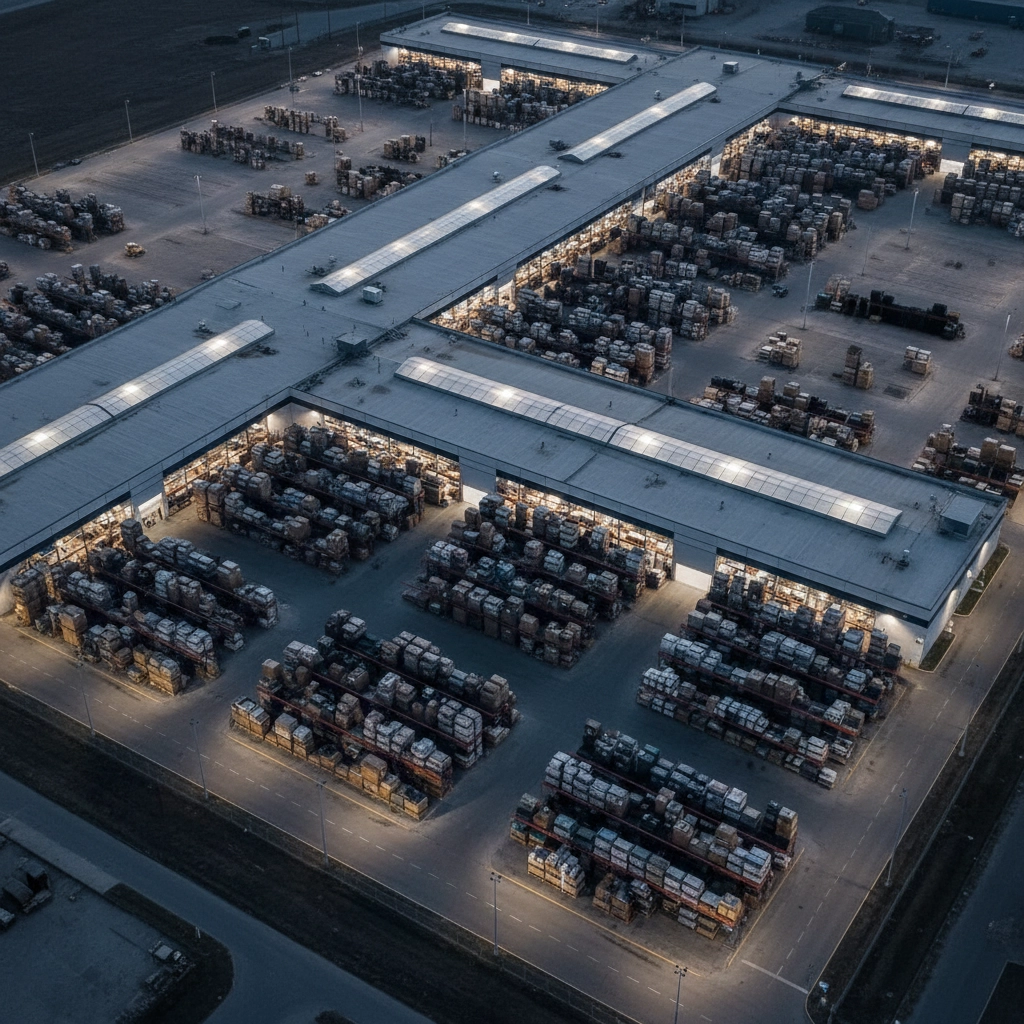
This innovation deficit affects contractor positioning in multiple ways. Organizations cannot implement advanced data analytics that improve operational efficiency, struggle to meet evolving government technology requirements, and miss opportunities to differentiate themselves through technological capabilities that demonstrate operational sophistication.
Financial Impact Assessment and Quantification
The financial implications of these hidden costs reach substantial proportions across the federal contracting sector. Department of Defense analyses indicate potential annual savings of several billion dollars through improved logistics practices, though initial projections required significant revision due to implementation complexity and realistic timeline considerations.
Even with conservative estimates accounting for implementation challenges, targeted logistics improvements have already generated documented savings exceeding seven hundred million dollars, demonstrating the substantial cost reduction potential available to contractors willing to invest in system modernization initiatives.
The scale of potential savings varies significantly based on contractor size, operational complexity, and current system sophistication. However, consistent patterns emerge across organizations regarding the primary sources of hidden costs and the most effective modernization strategies for addressing systematic inefficiencies.
Strategic Implementation Recommendations
Government contractors should prioritize systems integration initiatives that eliminate data silos and enable real-time decision-making across all logistics functions. Investment in automation technologies can significantly reduce manual processing costs while improving accuracy and compliance capabilities essential for federal contracting success.
Implementing comprehensive demand forecasting tools and just-in-time inventory strategies helps optimize stock levels and reduce storage fees that compound over time. Contractors should focus on improving coordination with shipping providers and streamlining clearance processes to minimize detention and demurrage charges that affect operational margins.
Successful modernization requires realistic assessment of savings potential and careful implementation planning that balances system upgrade costs against ongoing hidden costs of maintaining outdated infrastructure.
The modernization pathway requires careful balance between substantial system upgrade investments and ongoing hidden costs associated with legacy infrastructure maintenance. Contractors must ensure compliance with government security and operational requirements throughout transition processes while maximizing operational improvements and cost reductions.
Share this article:
SEO Tags: government contractors, logistics systems, hidden costs, supply chain management, federal contracting, transportation efficiency, inventory management, system modernization
Hashtags: #GovernmentContracting #LogisticsSystems #SupplyChain #FederalContracting #TransportationMarketing #BusinessEfficiency #SystemModernization #ContractorSolutions
Ready to eliminate hidden costs in your logistics operations? Contact Teltrans today to discover how our advanced transportation and marketing solutions can streamline your government contracting operations and maximize operational efficiency.