

Federal transportation agencies face unprecedented challenges in filling critical positions, particularly within specialized roles requiring commercial driving licenses and fleet management expertise. Traditional recruitment methods, which rely heavily on generic job boards and standard government hiring practices, have demonstrated limited effectiveness in attracting qualified candidates for these demanding positions.
The integration of fleet management insights with modern recruitment technologies has emerged as a transformative approach to federal hiring. This methodology leverages comprehensive understanding of transportation operations, candidate behavior patterns, and industry-specific requirements to create targeted recruitment strategies that significantly outperform conventional methods.
The Foundation of Fleet-Integrated Recruitment Systems
Modern recruitment frameworks that incorporate fleet management data operate on multiple interconnected levels, each contributing to enhanced candidate identification and engagement. These systems utilize operational insights from transportation networks, driver performance metrics, and fleet utilization patterns to identify potential recruitment opportunities and optimize candidate targeting strategies.

Fleet management platforms collect extensive operational data that provides valuable insights into workforce requirements, seasonal demand fluctuations, and regional talent availability. This information forms the foundation for predictive recruitment models that anticipate hiring needs and proactively identify candidate pools before positions become critical.
The integration of fleet operations data with recruitment processes enables organizations to develop comprehensive candidate profiles that extend beyond traditional qualifications and experience requirements. These profiles incorporate operational preferences, geographic flexibility, equipment familiarity, and performance indicators that correlate with long-term employment success.
Data-Driven Candidate Identification and Targeting
Advanced recruitment frameworks utilize fleet management data to identify high-potential candidates through multiple channels and touchpoints. The system analyzes operational patterns, training records, safety performance, and career progression indicators to develop sophisticated candidate scoring algorithms that prioritize recruitment efforts toward individuals most likely to succeed in federal transportation roles.
Fleet management integration enables recruitment systems to identify candidates with demonstrated operational excellence, safety consciousness, and adaptability to federal transportation requirements.
Geographic analysis of fleet operations provides critical insights into candidate availability and competition levels across different regions. This information enables recruitment teams to adjust targeting strategies, compensation offerings, and engagement approaches based on local market conditions and candidate expectations.
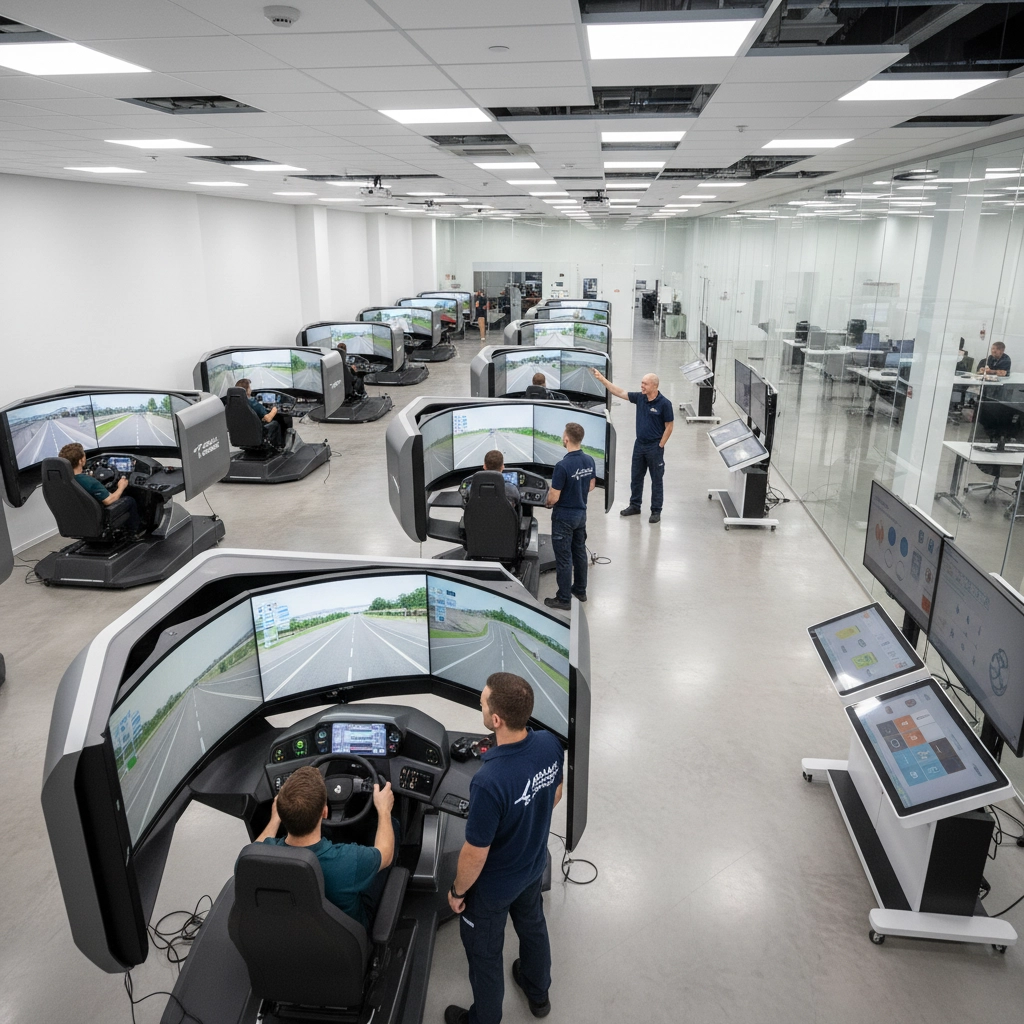
The utilization of simulation technologies, including platforms such as SmallFootprintSimulator.com, enhances candidate assessment and training capabilities while providing valuable data points for recruitment optimization. These tools enable organizations to evaluate candidate potential through practical assessments that simulate real-world operational challenges and requirements.
Technology Integration and Automation Strategies
Comprehensive recruitment frameworks incorporate multiple technology platforms and automated processes that streamline candidate identification, engagement, and assessment procedures. These systems integrate fleet management data with applicant tracking systems, candidate relationship management tools, and assessment platforms to create seamless recruitment workflows.

Automated candidate screening processes utilize fleet operations data to pre-qualify applicants based on relevant experience, geographic preferences, and operational compatibility factors. This approach reduces manual screening time while improving the quality of candidates advancing through the recruitment pipeline.
The integration of eSports recruitment initiatives, particularly through partnerships with high school programs, creates early engagement opportunities with potential candidates. Platforms such as esportspod.gg facilitate connections between transportation organizations and students interested in transportation careers, establishing recruitment pipelines that begin during secondary education.
Performance Metrics and Outcome Measurement
Effective recruitment frameworks require comprehensive performance measurement systems that track multiple indicators of recruitment success and operational impact. These metrics extend beyond traditional hiring statistics to include retention rates, performance outcomes, training completion rates, and long-term career progression indicators.
Fleet-integrated recruitment systems demonstrate measurable improvements in several key performance areas. Organizations utilizing these approaches report average increases of 40% in successful federal position placements within 60-day recruitment cycles, compared to traditional recruitment methods that typically require 90-120 days for similar outcomes.
Data analysis indicates that recruitment frameworks incorporating fleet management insights achieve superior candidate quality scores, reduced time-to-hire metrics, and enhanced long-term retention rates.
The measurement of recruitment effectiveness requires ongoing analysis of candidate sources, engagement methods, assessment accuracy, and post-hire performance outcomes. This continuous evaluation process enables organizations to refine targeting strategies, optimize engagement approaches, and improve overall recruitment system performance.
Implementation Framework and Best Practices
Successful implementation of fleet-integrated recruitment systems requires structured approaches that address technology integration, process optimization, and stakeholder coordination requirements. Organizations must establish clear protocols for data sharing, candidate privacy protection, and performance measurement to ensure system effectiveness and compliance with federal regulations.
The establishment of partnerships with educational institutions, particularly those offering transportation and logistics programs, creates sustainable talent pipelines that support long-term recruitment objectives. These partnerships facilitate early candidate identification, skill development initiatives, and ongoing relationship building that enhances recruitment outcomes.
Training and simulation programs integrated into recruitment processes provide candidates with realistic previews of position requirements while offering employers comprehensive assessment opportunities. These programs reduce hiring risks, improve candidate preparedness, and enhance overall placement success rates.
Strategic Considerations and Future Development
Fleet-integrated recruitment frameworks continue to evolve as organizations gain experience with implementation and refinement processes. Future developments focus on enhanced predictive analytics, expanded simulation capabilities, and improved integration with emerging technologies such as artificial intelligence and machine learning applications.
The expansion of eSports recruitment initiatives represents significant opportunities for early talent identification and engagement, particularly among younger demographics that demonstrate strong technical aptitudes and adaptability to modern transportation technologies. These programs create positive brand associations while establishing recruitment pipelines that support long-term organizational objectives.
Organizations implementing these frameworks must consider scalability requirements, technology infrastructure capabilities, and ongoing maintenance needs to ensure sustainable operations and continued performance improvements. Strategic planning should address system integration challenges, data security requirements, and regulatory compliance obligations that affect recruitment operations.
The coordination between recruitment systems and broader marketing initiatives creates synergistic effects that enhance overall organizational effectiveness. Integration with transportation marketing campaigns, social media engagement strategies, and industry partnerships amplifies recruitment messaging while reinforcing organizational brand positioning within the transportation sector.
Federal agencies and transportation organizations seeking to improve recruitment outcomes should evaluate fleet-integrated recruitment frameworks as comprehensive solutions that address multiple operational challenges while providing measurable performance improvements. These systems represent significant advances over traditional recruitment approaches and demonstrate clear value propositions for organizations committed to excellence in talent acquisition and workforce development.
Ready to transform your federal recruitment outcomes? Contact Teltrans to learn how our proven SaaS recruitment framework can help your organization fill more positions faster and more effectively.
Share this post:
SEO Tags: federal recruitment, fleet management, SaaS recruitment, transportation careers, CDL training, government hiring, workforce development
Hashtags: #FederalRecruitment #FleetManagement #TransportationCareers #SaaS #GovernmentJobs #CDLTraining #WorkforceDevelopment #Teltrans
Meta Tags: Fleet management recruitment, federal hiring solutions, transportation workforce, SaaS recruitment platform, government talent acquisition