

The Department of Defense faces mounting pressure to modernize its transportation infrastructure while managing escalating operational costs and personnel challenges. Autonomous vehicle technology presents a transformative solution that could fundamentally reshape how military personnel move between facilities, bases, and operational locations by 2035. The convergence of artificial intelligence, advanced sensor systems, and supportive regulatory frameworks creates an unprecedented opportunity for the DOD to achieve substantial improvements in safety, efficiency, and cost management.
The Current State of DOD Transportation Challenges
Military transportation systems currently rely heavily on human operators, creating vulnerabilities related to fatigue, human error, and personnel availability. The DOD manages extensive transportation networks across hundreds of facilities, requiring significant resources for driver training, compensation, and ongoing operational management. Traditional transportation methods face limitations in terms of 24/7 availability, route optimization, and operational flexibility that autonomous systems could address comprehensively.
Personnel shortages in specialized transportation roles continue to impact operational readiness, while increasing fuel costs and maintenance requirements strain budgetary allocations. The complexity of coordinating staff movement across multiple locations, time zones, and varying operational demands necessitates more sophisticated solutions than current manual systems can provide effectively.
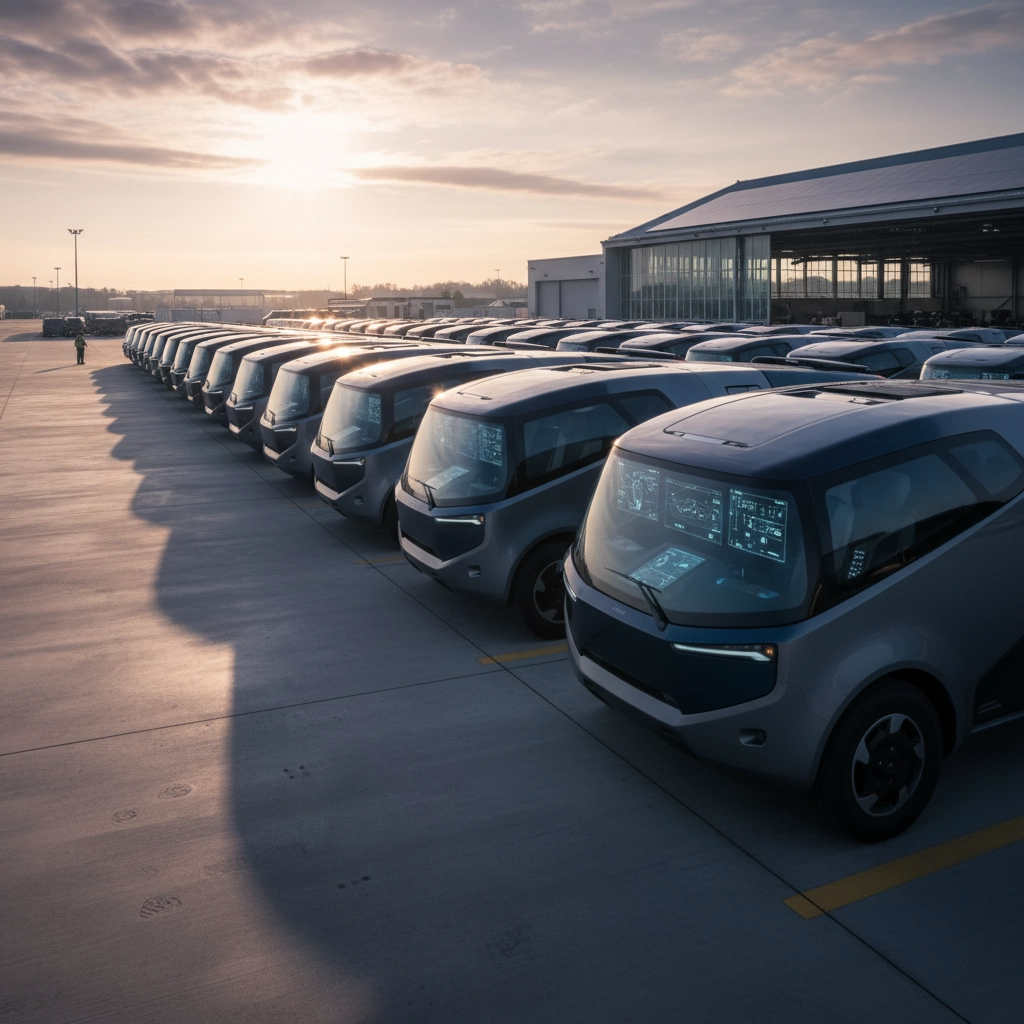
Enhanced Safety Through Advanced Technology Integration
Autonomous vehicles demonstrate significant potential for reducing transportation-related incidents through the elimination of human error factors. Current autonomous vehicle technology incorporates multiple redundant safety systems, including advanced sensors, machine learning algorithms, and real-time decision-making capabilities that surpass human reaction times and awareness levels.
Studies indicate that autonomous systems could potentially reduce transportation accidents by approximately 15 percent by 2030, with continued improvements expected through 2035. For DOD operations, where personnel safety directly impacts mission readiness and operational continuity, these safety improvements represent critical advantages that extend beyond simple risk reduction.
The integration of advanced driver-assistance systems and fully autonomous capabilities creates multiple layers of safety protection that human operators cannot match consistently.
The technology addresses specific risk factors prevalent in military transportation contexts, including fatigue-related incidents during extended operations, visibility challenges in various weather conditions, and decision-making under high-stress situations. Autonomous systems maintain consistent performance levels regardless of external pressures or operational duration.
Operational Efficiency and Cost Optimization Benefits
The economic advantages of autonomous vehicle implementation for DOD staff transport center on substantial cost reduction opportunities across multiple operational categories. Research indicates that autonomous technology can reduce total cost of ownership by 42 percent per mile on long-haul routes through optimized fuel consumption, reduced maintenance requirements, and elimination of driver compensation expenses.
For the Department of Defense, which manages transportation budgets exceeding millions of dollars annually, these savings translate into significant resource reallocation opportunities. The funds previously allocated to driver training, compensation, and human resource management could be redirected toward other critical operational priorities or technology investments.
Advanced routing algorithms integrated into autonomous systems optimize travel paths continuously, reducing fuel consumption while improving schedule adherence and predictability. This capability proves particularly valuable for DOD operations, where punctuality and reliability directly impact mission effectiveness and coordination between multiple organizational units.

Market Maturity and Technological Readiness Projections
The autonomous vehicle market demonstrates rapid growth trajectories that indicate substantial technological maturation by 2035. Industry projections suggest the market will reach $600 billion by 2035, reflecting significant private sector investment in research, development, and commercialization of autonomous technologies.
Revenue from autonomous driving systems could generate between $300 billion and $400 billion in the passenger vehicle market alone by 2035, indicating widespread adoption and technological refinement. This market growth suggests that autonomous vehicle technology will achieve sufficient advancement and commercial viability for specialized applications, including military and government transportation requirements.
Vehicles are expected to achieve Society of Automotive Engineers Level 4 capabilities by 2035, providing driverless operation under specific predetermined conditions. This level of autonomous functionality would be sufficient for most DOD staff transport scenarios, particularly routine transfers between established facilities and bases with defined routes and operational parameters.
Regulatory Framework and Government Support Infrastructure
The United States Department of Transportation has established the Automated Vehicles Comprehensive Plan, built on AV 4.0 principles, with three primary goals: promoting collaboration and transparency, modernizing regulatory environments, and preparing transportation system infrastructure for autonomous integration.
This federal-level commitment provides the regulatory foundation necessary for DOD implementation of autonomous vehicle systems. Government and private sector collaboration continues developing transportation infrastructure that integrates artificial intelligence and self-driving technology, creating pathways for military adoption.
Federal regulatory support and private sector collaboration create the necessary framework for successful autonomous vehicle integration across government operations.
Self-driving pilot initiatives in various locations throughout the United States are building confidence in autonomous vehicle efficacy and reliability, establishing precedents for government adoption. These pilot programs provide valuable data regarding system performance, safety records, and operational effectiveness that support broader implementation strategies.

Strategic Military Applications and Operational Advantages
Autonomous vehicles offer strategic advantages specifically relevant to military operational contexts that extend beyond civilian transportation benefits. Automated systems reduce dependency on human drivers, addressing potential personnel shortages while maintaining operational continuity across all operational scenarios.
The technology enables continuous 24/7 operation without fatigue limitations, which proves crucial for emergency responses, critical mission support, and maintaining operational readiness during extended operations. This capability ensures transportation availability regardless of personnel scheduling constraints or operational duration requirements.
Integration of automated technologies across various sectors demonstrates organizations achieving delivery precision improvements, enhanced safety standards, and higher quality service delivery at reduced costs. These same operational principles apply directly to DOD staff transport requirements, enhancing overall military logistics effectiveness.
Implementation Considerations and Timeline Factors
The transition to autonomous vehicle systems for DOD staff transport requires careful consideration of implementation timelines, technology integration requirements, and operational adaptation processes. By 2035, the combination of mature technology, supportive regulatory frameworks, proven cost benefits, and enhanced safety features positions autonomous vehicles as viable solutions for military transportation needs.
Infrastructure modifications, including updated communication systems, maintenance facilities, and operational protocols, will require advance planning and coordinated implementation across multiple military installations. Training programs for maintenance personnel and system administrators will ensure smooth operational transitions and ongoing system effectiveness.
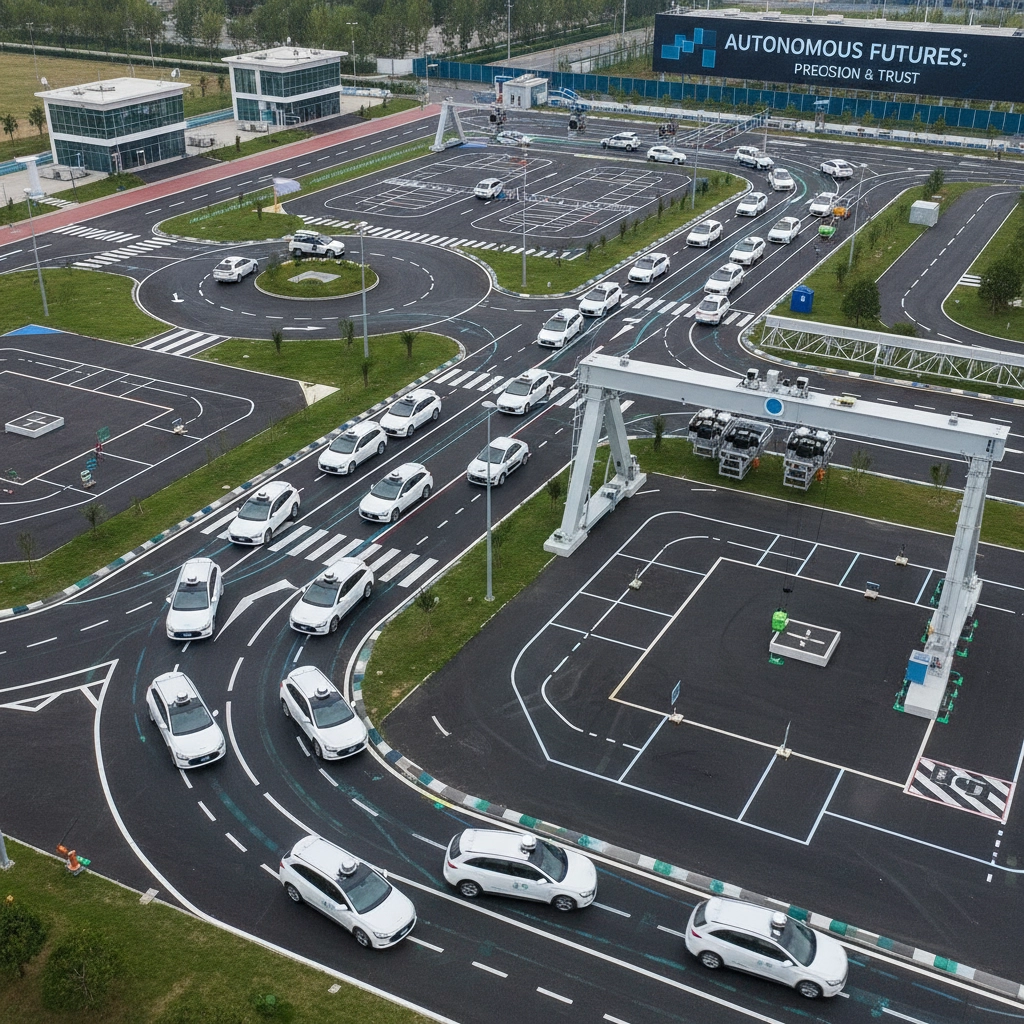
The development of specialized autonomous vehicle configurations adapted to military operational requirements may necessitate collaboration between government agencies and private sector technology providers. These partnerships could accelerate deployment timelines while ensuring systems meet specific DOD operational standards and security requirements.
Transportation Marketing and Communication Strategies
Successful implementation of autonomous vehicle systems requires comprehensive communication strategies that address personnel concerns, highlight operational benefits, and ensure smooth organizational transitions. Effective marketing approaches emphasize safety improvements, operational efficiency gains, and enhanced mission support capabilities.
Transportation marketing initiatives must address potential resistance to technological change while demonstrating clear advantages and maintaining operational continuity during transition periods. Professional marketing strategies can facilitate acceptance and adoption across all organizational levels.
Share this article:
SEO Tags: autonomous vehicles, DOD transport, military logistics, government transportation, autonomous technology, transportation efficiency, vehicle automation, military modernization, transportation safety, logistics innovation
Hashtags: #AutonomousVehicles #DODTransport #MilitaryLogistics #TransportationTechnology #GovernmentInnovation #VehicleAutomation #LogisticsEfficiency #TransportationSafety #MilitaryModernization #SmartTransportation
Ready to revolutionize your transportation marketing strategy? Contact Teltrans today to discover how our comprehensive advertising and SaaS solutions can help your organization navigate the autonomous vehicle transition and optimize transportation operations for maximum efficiency and cost savings.