

The landscape of military recruitment in 2025 reflects a fundamental shift in how defense organizations approach personnel acquisition, retention, and development. This transformation occurs against the backdrop of an increasingly complex operational environment where logistics capabilities directly influence recruitment success rates, candidate quality assessments, and long-term service member satisfaction metrics.
Modern military branches face unprecedented challenges in attracting qualified personnel, particularly in specialized technical fields and emerging warfare domains. The correlation between robust logistics support systems and successful recruitment outcomes has become increasingly apparent as defense organizations compete with private sector employers for the same talent pool.
The Current Logistics Transformation Era
The Defense Logistics Agency characterizes the current period as a transformative era, during which military services and combatant commands fundamentally restructure their warfighting concepts, doctrine, training protocols, and equipment procurement strategies. This comprehensive transformation directly impacts recruitment effectiveness by demonstrating organizational commitment to technological advancement, operational excellence, and professional development opportunities.
Military logistics programs in 2025 showcase sophisticated supply chain management capabilities, advanced transportation networks, and integrated support systems that appeal to recruitment-age demographics seeking challenging, technologically-driven career paths. The modernization of logistics infrastructure serves as a tangible demonstration of institutional investment in service member success and career progression opportunities.
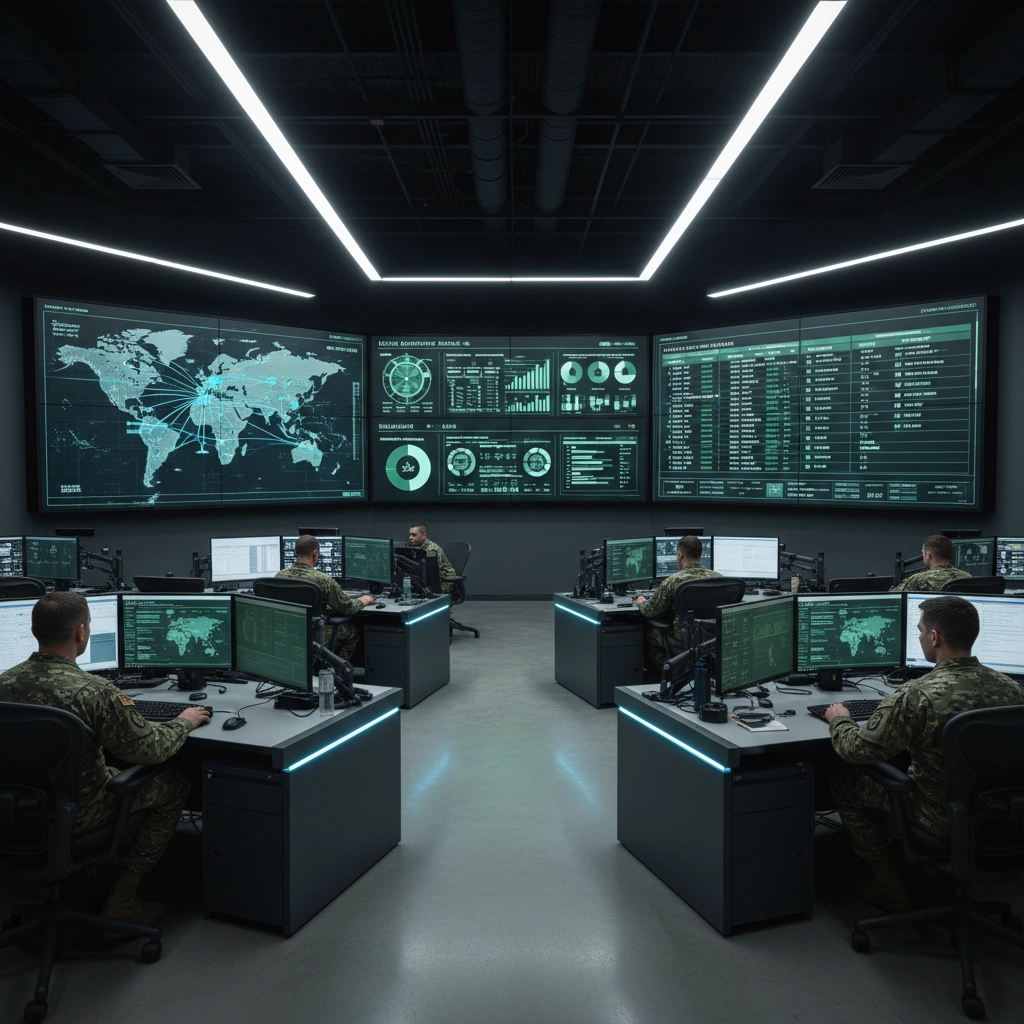
The Defense Logistics Agency has recalibrated strategic priorities to emphasize capability transformation, partnership strengthening, and supply chain resilience improvements. These initiatives center on combat support missions that require highly skilled personnel capable of operating in contested environments while maintaining complex logistical operations across multiple domains.
The military's ability to showcase cutting-edge logistics capabilities becomes a recruitment tool, demonstrating that service members will work with state-of-the-art systems and receive world-class training opportunities.
Enhanced Training and Professional Development Opportunities
Contemporary military logistics programs provide extensive professional development pathways that directly address recruitment challenges in competitive employment markets. Operation Patriot Press 2025 exemplifies this comprehensive approach by offering service members valuable experience in supply chain management, transportation logistics, operational coordination, and inter-agency collaboration protocols.
The program specifically facilitates opportunities for National Guard and Army Reserve units to strengthen total force integration through direct collaboration with active-duty counterparts and civilian workforce elements. This integration model demonstrates the breadth of professional networking and skill development opportunities available within military logistics specializations.
Recent operational examples illustrate the scope and complexity of training opportunities available to logistics personnel. The South Dakota National Guard's 740th Transportation Company conducted extensive missions involving 192,000 miles of coordinated travel operations, utilizing 41 specialized vehicles to transport 66 twenty-foot equivalent units between major military installations across multiple geographic regions.
These operations provide junior personnel with leadership development opportunities, complex problem-solving scenarios, and hands-on experience with sophisticated transportation management systems. The confidence-building aspects of such large-scale operations contribute to retention rates and positive recruitment referrals from current service members.
Substantial Investment and Long-Term Career Viability
Military commitment to logistics modernization demonstrates through significant financial investments that signal long-term career stability and advancement potential to prospective recruits. The Enhanced Army Global Logistics Enterprise II program represents a $390 million investment specifically allocated for logistics support services during fiscal year 2025.
This comprehensive procurement initiative covers three critical functional areas: maintenance operations, supply chain management, and transportation support services. The total small business set-aside structure of this program indicates military commitment to fostering entrepreneurial development and private sector collaboration opportunities for service members.
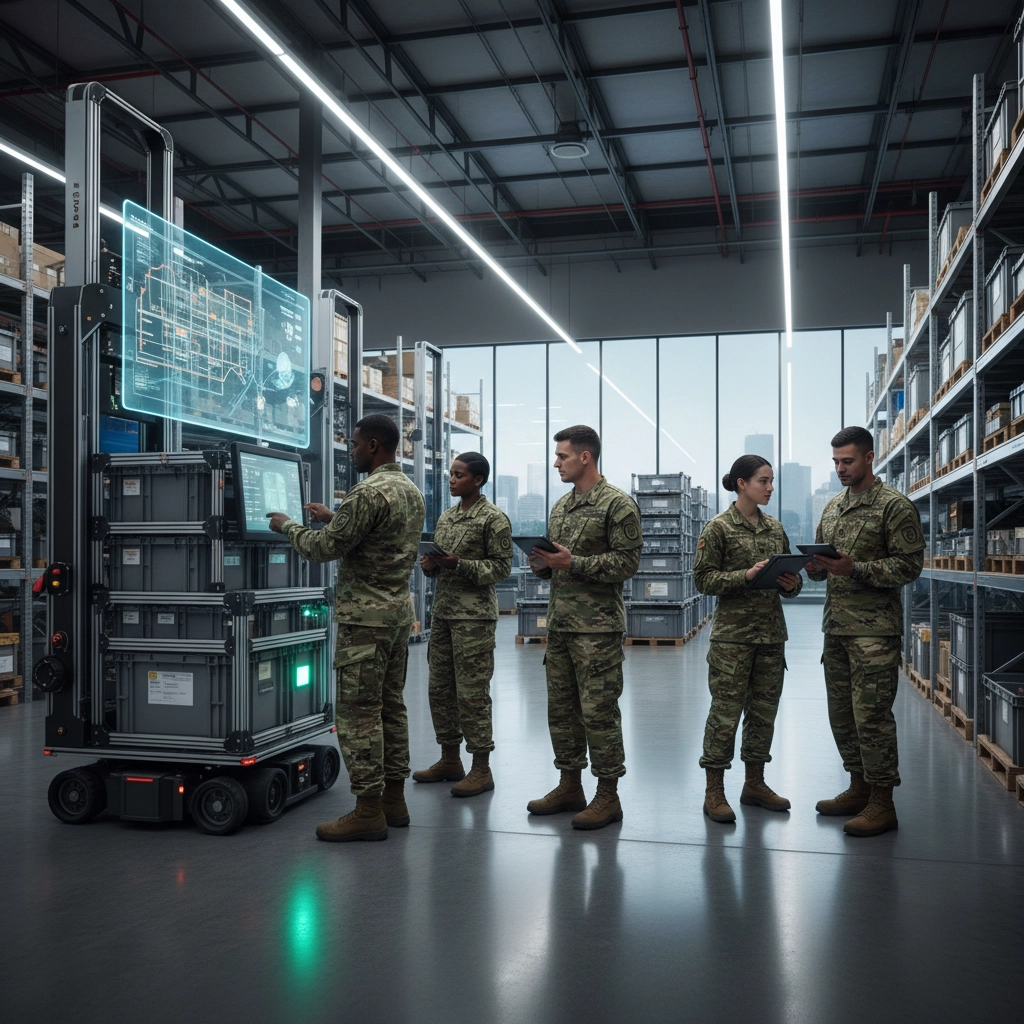
The scope of EAGLE II encompasses diverse specialization areas including field-level logistics, sustainment operations, supply support activities, ammunition operations, and comprehensive transportation services. These specializations range from motor pool operations and convoy management to household goods logistics and specialized equipment transportation protocols.
Career pathway diversity within military logistics appeals to recruitment demographics seeking transferable skills and civilian market applicability. The integration of advanced technologies, data analytics, and supply chain optimization methodologies provides service members with competencies directly relevant to private sector employment opportunities following military service.
Competitive Advantages in Contested Operational Environments
Military emphasis on operating effectively in contested logistics environments appeals to recruitment candidates seeking meaningful, strategically important work assignments. The Defense Logistics Agency strategic focus on delivering agile, adaptive, and resilient logistics support across the full spectrum of conflict scenarios positions military logistics roles as intellectually demanding and strategically critical to national security objectives.
This operational approach addresses recruitment challenges by demonstrating that military logistics assignments involve sophisticated analytical problem-solving, advanced technology utilization, and critical decision-making responsibilities that directly impact mission success rates and personnel safety protocols.
The integration of intelligence operations with logistics functions further emphasizes the high-level strategic thinking requirements inherent in contemporary military logistics roles. This intelligence-logistics partnership model creates opportunities for cross-functional skill development and career advancement pathways that extend beyond traditional logistics specializations.
Military logistics roles involve sophisticated problem-solving, advanced technology use, and critical decision-making that directly impacts national security operations in increasingly complex global environments.
Total Force Integration and Collaborative Networks
Modern military logistics emphasizes comprehensive collaboration between active-duty forces, National Guard units, Army Reserve components, and civilian workforce elements. This total force integration approach creates extensive support networks that address recruitment concerns regarding career isolation, limited advancement opportunities, and restricted professional networking possibilities.
The collaborative environment demonstrates that military service involves diverse team dynamics, multi-organizational relationship building, and exposure to various career progression pathways within military and civilian sectors. This integration model provides recruits with networking opportunities and mentorship relationships that extend beyond traditional military career boundaries.
Strengthening relationships among different military components while fostering collaboration with civilian agencies creates comprehensive professional development ecosystems. These collaborative networks address potential recruit concerns about career mobility limitations and provide evidence of ongoing professional growth opportunities throughout military service periods.
Transportation Marketing and Recruitment Effectiveness
Transportation-based marketing strategies demonstrate particular effectiveness in military recruitment campaigns targeting logistics specializations. Highway advertising, mobile transportation displays, and logistics-themed marketing materials create direct connections between civilian transportation experiences and military logistics career opportunities.
The visibility of military transportation operations through strategic advertising placements reinforces public awareness of logistics career paths while demonstrating the scale and sophistication of military transportation capabilities. This marketing approach particularly resonates with recruitment demographics already interested in transportation, logistics, or supply chain management fields.
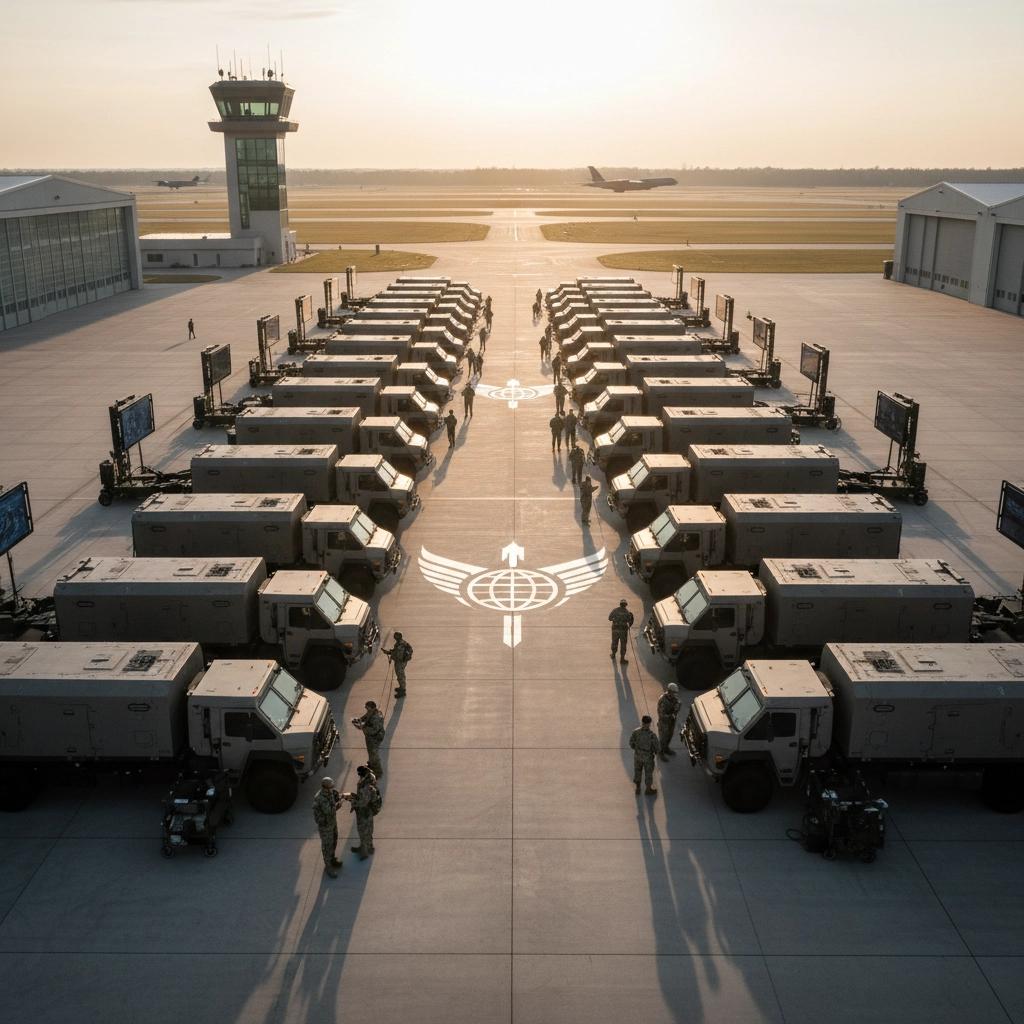
Strategic placement of recruitment materials at transportation hubs, logistics facilities, and distribution centers reaches targeted demographic groups with existing interest in logistics operations. The integration of digital marketing platforms with transportation-based advertising creates comprehensive recruitment campaigns that effectively communicate career advancement opportunities within military logistics specializations.
Technology Integration and Future Readiness
Military logistics transformation incorporates advanced technologies including artificial intelligence applications, predictive analytics systems, autonomous transportation capabilities, and integrated communication networks. These technological advances appeal to recruitment demographics seeking exposure to cutting-edge technologies and emerging industry trends.
The emphasis on technology integration demonstrates military commitment to preparing service members for future civilian employment opportunities in rapidly evolving logistics and transportation industries. Service members gain experience with technologies that directly translate to private sector career advancement and entrepreneurial opportunities.
Modern military logistics operations require personnel capable of operating sophisticated equipment, analyzing complex data sets, and making strategic decisions based on real-time information systems. These skill requirements attract recruitment candidates seeking intellectually challenging and professionally rewarding career paths.
Ready to enhance your organization's recruitment strategy through targeted transportation marketing? Connect with Teltrans to discover how specialized logistics advertising and strategic marketing campaigns can improve your talent acquisition outcomes. Contact us today to explore comprehensive solutions designed for recruitment success.
Share this insight:
SEO Tags: military recruitment 2025, logistics support recruitment, defense contractor marketing, transportation advertising, military logistics careers, recruitment strategy, defense industry marketing
Hashtags: #MilitaryRecruitment #LogisticsSupport #DefenseMarketing #TransportationAdvertising #MilitaryCareers #RecruitmentStrategy #DefenseLogistics #MilitaryMarketing #LogisticsCareers #DefenseContracting
Meta Description: Discover why military recruitment success in 2025 depends on robust logistics support systems and how transportation marketing enhances defense industry talent acquisition strategies.