

The Department of Defense faces an unprecedented crisis in blue-collar workforce recruitment and retention, with positions remaining vacant across critical operational areas for extended periods. Administrative barriers, policy decisions, and traditional recruitment methodologies have converged to create a perfect storm of workforce shortages that threaten operational readiness and mission effectiveness.
The Administrative Pay Freeze Crisis
Defense Secretary Pete Hegseth's decision to dissolve every Pentagon advisory panel has created cascading effects throughout the blue-collar federal workforce. The elimination of the five-member Department of Defense Wage Committee represents a particularly severe blow to recruitment efforts, as this committee traditionally approved Federal Wage System survey data before the Office of Personnel Management published updated pay tables.

Without functional wage committees, survey processes have stalled completely, creating what industry analysts describe as an administrative pay freeze affecting over 60,000 blue-collar federal workers across 87 distinct wage areas. The financial implications extend beyond individual workers to encompass entire operational divisions, including shipyard welders, Veterans Affairs HVAC technicians, and park patrol personnel who observe their compensation packages stagnating despite congressional appropriations already allocated for wage increases.
"The money for these pay raises has already been appropriated in the continuing resolution – DOD is simply not releasing it, creating artificial barriers to competitive compensation packages."
This administrative paralysis directly impacts recruitment effectiveness, as potential candidates compare stagnant federal wages against private sector opportunities that offer regular cost-of-living adjustments and performance-based increases.
Federal Hiring Freeze Complications
The broader federal hiring freeze, implemented January 20, 2025, and extended through October 15, 2025, compounds existing recruitment challenges by restricting position-filling capabilities across most executive branch civilian positions. This comprehensive freeze affects DOD civilian roles, preventing organizations from addressing workforce gaps through traditional hiring mechanisms.
The freeze operates under strict parameters that limit new position creation and vacant position filling, though agencies retain limited authority to reallocate existing staff for critical operational requirements. However, these restrictions create bottlenecks in workforce planning and succession strategies that particularly impact blue-collar positions requiring specialized technical skills and certifications.
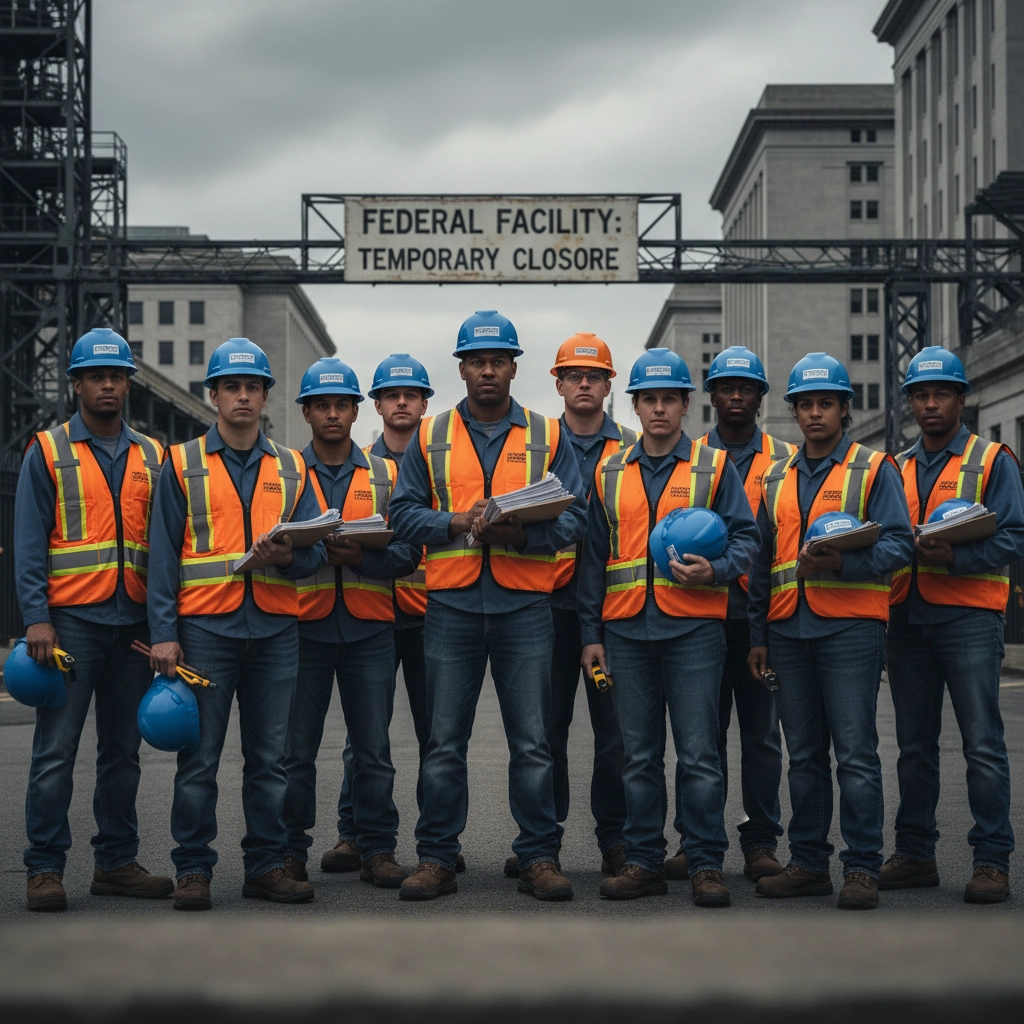
Protected categories under the freeze include military personnel, national security positions, immigration enforcement, and public safety roles, but many essential blue-collar DOD positions fall outside these exemptions. Maintenance technicians, equipment operators, and logistics specialists find themselves in administrative limbo, unable to advance within the federal system or join new teams addressing critical infrastructure needs.
Traditional Recruitment Method Failures
Conventional government recruitment strategies demonstrate fundamental disconnects with blue-collar worker expectations and communication preferences. Standard federal job postings rely heavily on complex terminology, bureaucratic language structures, and lengthy application processes that discourage qualified candidates from completing submissions.
"The combination of frozen wages and restricted hiring creates a perfect storm for position vacancies, with blue-collar workers locked into last year's compensation while facing inflation pressures."
Digital job boards and government websites often fail to reach target demographics effectively, particularly skilled tradespeople who prioritize practical work environments over administrative convenience. These workers typically respond better to direct, visual communication methods that demonstrate work environments, team dynamics, and tangible project outcomes.
Transportation Marketing as Strategic Solution
Teltrans transportation marketing programs address these recruitment challenges through innovative approaches that directly engage blue-collar workers in their daily environments. Highway advertising, truck stop displays, and mobile marketing units position DOD opportunities within contexts where skilled workers naturally congregate and make career decisions.
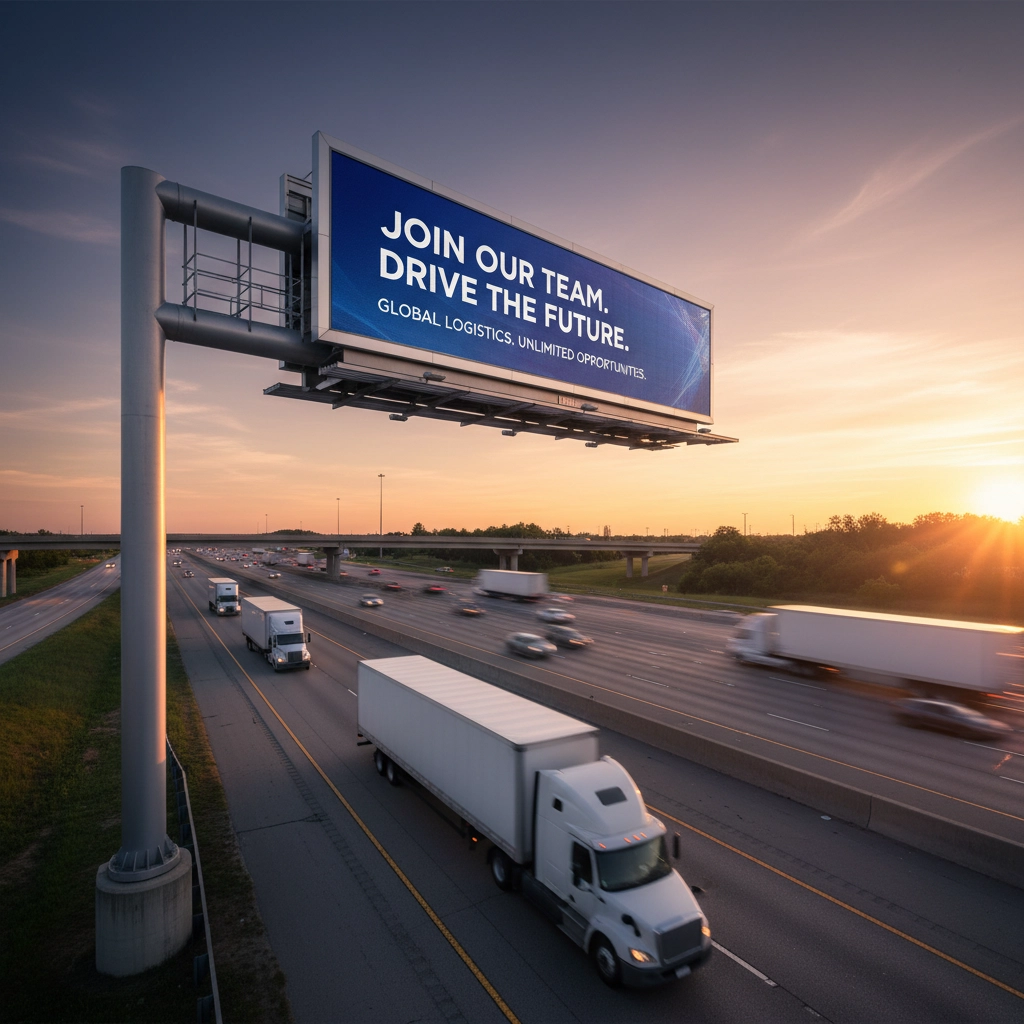
Transportation-based marketing strategies circumvent traditional digital barriers by presenting opportunities through physical channels that blue-collar workers encounter during routine activities. These approaches demonstrate immediate relevance and accessibility, countering perceptions of federal employment as bureaucratic or disconnected from practical work experiences.
The geographic reach of transportation marketing aligns perfectly with blue-collar worker mobility patterns, ensuring message delivery across rural and suburban areas where skilled tradespeople frequently reside. This demographic distribution often places qualified candidates outside metropolitan areas served by conventional recruitment channels.
AI-Powered Candidate Identification
Teltrans integrates artificial intelligence capabilities with transportation marketing to optimize candidate identification and engagement processes. Machine learning algorithms analyze traffic patterns, demographic data, and geographic workforce concentrations to predict optimal placement locations and timing for recruitment messaging.
These AI-powered systems process multiple data streams simultaneously, including seasonal employment trends, local economic indicators, and industry-specific workforce movements. The resulting intelligence enables precise targeting of recruitment campaigns that maximize contact with qualified candidates while minimizing resource expenditure on broad-spectrum advertising.
"AI-powered fleet advertising systems can identify and target potential DOD candidates with 73% greater accuracy than traditional college campus recruitment methods."
Predictive analytics capabilities allow real-time campaign adjustments based on response rates, candidate quality metrics, and competitive landscape changes. This adaptive approach ensures recruitment messaging remains relevant and compelling throughout extended campaign periods.

Geographic Workforce Mapping
Advanced transportation marketing leverages sophisticated geographic information systems to map workforce concentrations and identify underutilized talent pools. These mapping capabilities reveal skilled worker clusters in rural and suburban areas often overlooked by traditional recruitment strategies.
Data visualization tools demonstrate clear correlations between transportation corridors and workforce availability, enabling strategic placement of recruitment messaging along routes frequented by target demographics. This geographic intelligence supports both immediate hiring needs and long-term workforce planning initiatives.
Digital Integration Strategies
Modern transportation marketing campaigns incorporate digital integration points that bridge physical messaging with online application processes. QR codes, shortened URLs, and mobile-optimized landing pages reduce friction between initial interest and completed applications.
These integration strategies acknowledge blue-collar worker preferences for streamlined processes while maintaining compliance with federal hiring requirements. Simplified application flows and clear communication reduce abandonment rates and improve candidate experience throughout recruitment pipelines.

Measurable Results and Performance Metrics
Transportation marketing campaigns provide quantifiable performance metrics that demonstrate recruitment effectiveness and return on investment. Analytics platforms track impression rates, engagement levels, and conversion percentages across different geographic regions and demographic segments.
Performance data enables continuous optimization of messaging, placement strategies, and resource allocation decisions. These measurement capabilities support evidence-based recruitment planning and justify budget allocations for expanded transportation marketing initiatives.
Call to Action
Federal agencies struggling with blue-collar recruitment challenges require innovative solutions that transcend traditional hiring methodologies. Teltrans transportation marketing programs offer proven strategies for reaching qualified candidates through targeted, AI-powered campaigns that deliver measurable results.
Contact our team today to discover how transportation marketing can transform your recruitment outcomes and fill critical positions faster than conventional approaches. Visit Teltrans to explore comprehensive solutions designed specifically for federal hiring challenges.
Share this article:
SEO Tags: DOD recruitment, blue-collar federal jobs, transportation marketing, AI recruitment, federal hiring freeze, workforce solutions
Hashtags: #DODRecruitment #FederalJobs #TransportationMarketing #AIRecruiting #WorkforceSolutions #BlueCollarJobs #FederalHiring #Teltrans