

Federal agencies continue to struggle with recruitment processes that feel antiquated, inefficient, and disconnected from modern workforce realities. While the 2025 Merit Hiring Plan introduces significant improvements to traditional hiring approaches, government fleet operations remain particularly challenging areas where outdated recruitment strategies create persistent staffing shortages and operational inefficiencies.
The transportation sector within federal operations demonstrates these challenges most acutely. Government fleets, ranging from postal service vehicles to military transport operations, require specialized personnel who understand both traditional driving skills and increasingly complex vehicle technologies. Current recruitment methodologies fail to adequately assess candidates for these hybrid skill requirements, leading to extended vacancy periods and suboptimal hiring decisions.
The Current State of Federal Fleet Recruitment
Traditional federal hiring processes rely heavily on questionnaire-based screening systems and standardized assessments that inadequately evaluate practical competencies. These approaches, developed primarily for office-based positions, translate poorly to transportation roles that demand real-world driving skills, vehicle maintenance knowledge, and technological adaptability.
Government transportation departments typically experience hiring timelines exceeding 90 days, with some specialized positions remaining vacant for six months or longer. This extended recruitment cycle creates operational disruptions, increases overtime costs for existing personnel, and compromises service delivery standards across federal transportation networks.

The disconnect between recruitment tools and actual job requirements becomes particularly pronounced when evaluating candidates for modern fleet positions. Current assessment methods cannot effectively measure a candidate's ability to operate connected vehicles, interpret telematics data, or adapt to rapidly evolving transportation technologies that define contemporary fleet operations.
"Federal fleet recruitment strategies must evolve beyond traditional assessment methods to incorporate real-world performance evaluation and technology proficiency testing."
Connected Vehicle Data as a Recruitment Revolution
Connected vehicle technology generates comprehensive performance data that provides unprecedented insights into driver behavior, operational efficiency, and safety compliance. This information creates opportunities to revolutionize recruitment processes by establishing objective, measurable criteria for candidate evaluation that traditional methods cannot achieve.
Modern fleet vehicles equipped with telematics systems capture detailed information about acceleration patterns, braking behavior, fuel efficiency, route optimization, and maintenance compliance. These data points create comprehensive performance profiles that reveal actual competencies rather than self-reported abilities or standardized test scores.
Federal agencies implementing connected vehicle data in recruitment processes can evaluate candidates based on demonstrated performance rather than theoretical knowledge. This approach eliminates much of the guesswork associated with traditional hiring methods while providing concrete evidence of candidate suitability for specific transportation roles.

Step One: Implement Performance-Based Assessment Protocols
The first step toward modernizing federal fleet recruitment involves establishing performance-based assessment protocols that utilize connected vehicle data to evaluate candidate competencies. These protocols replace questionnaire-based screening with practical evaluation opportunities that demonstrate actual driving skills and technology adaptation capabilities.
Candidates participate in structured driving assessments using fleet vehicles equipped with comprehensive telematics systems. These assessments capture detailed performance data across multiple evaluation categories, including safety compliance, fuel efficiency, route optimization, and vehicle maintenance awareness. The resulting data provides objective measurements of candidate capabilities that traditional assessment methods cannot replicate.
Assessment protocols incorporate standardized routes and scenarios that reflect typical operational requirements for specific federal transportation roles. Urban delivery routes, highway transportation assignments, and specialized vehicle operations each require different competency profiles that connected vehicle data can accurately measure and compare across candidate pools.
Performance-based assessments eliminate subjective evaluation elements that compromise traditional recruitment processes. Hiring managers receive quantifiable data about candidate performance rather than relying on interview impressions or self-reported experience levels that may not accurately reflect actual competencies.
Step Two: Establish Data-Driven Candidate Scoring Systems
Connected vehicle data enables the development of sophisticated scoring systems that rank candidates based on objective performance metrics rather than traditional qualification checklists. These systems analyze multiple data streams to create comprehensive candidate profiles that predict job performance with greater accuracy than conventional assessment methods.
Scoring algorithms weight different performance categories according to specific position requirements. Safety-critical roles emphasize accident avoidance behaviors and compliance metrics, while efficiency-focused positions prioritize fuel economy and route optimization capabilities. This targeted approach ensures candidate evaluation aligns with actual job responsibilities and performance expectations.
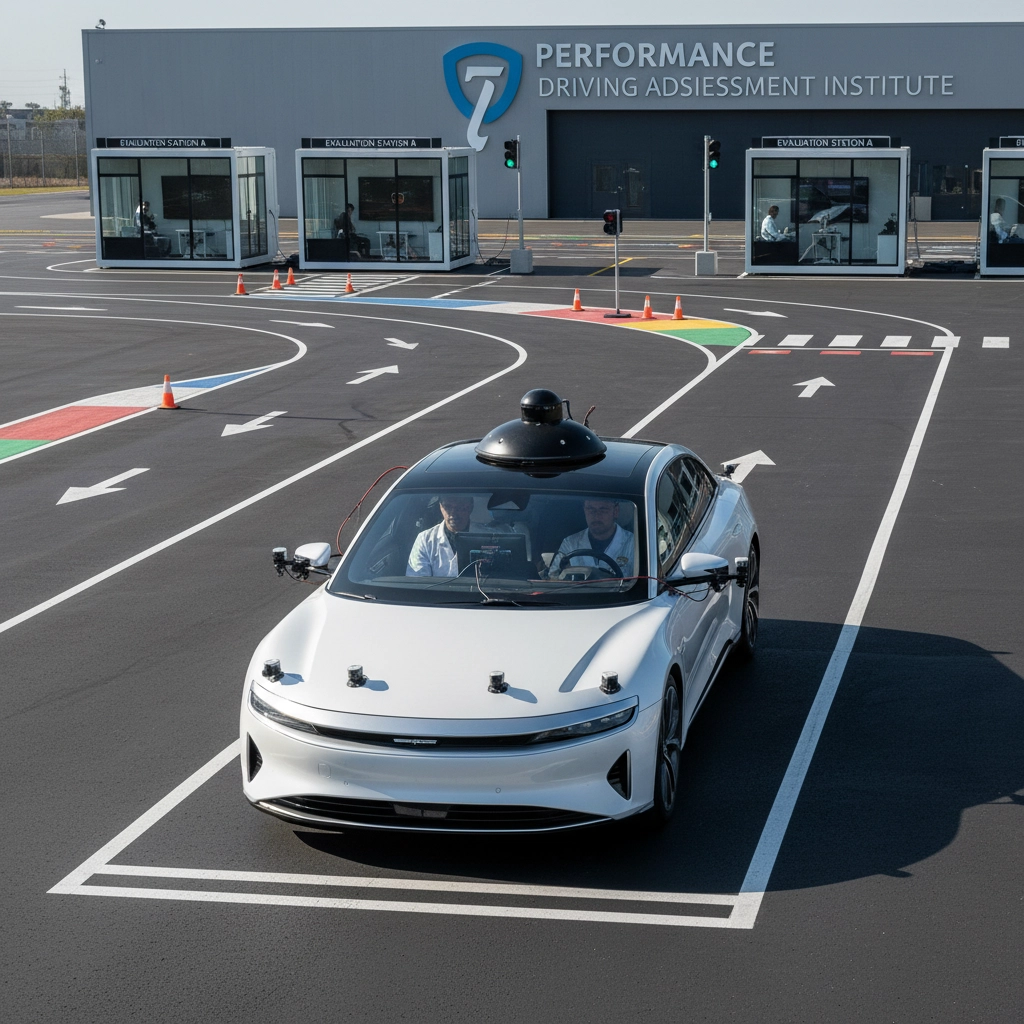
Data-driven scoring systems process information continuously throughout assessment periods, capturing performance variations and adaptation rates that single-point assessments miss. Candidates demonstrate consistency, learning curves, and stress response patterns that provide valuable insights into long-term job performance potential.
The scoring methodology incorporates benchmark comparisons against current fleet personnel performance data, ensuring new hires meet or exceed existing operational standards. This approach maintains continuity in service quality while identifying candidates who may surpass current performance levels and contribute to operational improvements.
Step Three: Create Predictive Analytics for Long-Term Success
The final step involves developing predictive analytics models that forecast candidate success rates and career progression potential based on connected vehicle data patterns. These models identify performance indicators that correlate with job satisfaction, retention rates, and advancement opportunities within federal transportation careers.
Predictive analytics examine performance data relationships that may not be immediately apparent to human evaluators. Subtle patterns in driving behavior, technology adoption rates, and efficiency improvements often predict long-term success more accurately than traditional qualification measures or interview performance.
Advanced analytics models incorporate external factors such as weather conditions, traffic patterns, and vehicle condition variables to assess candidate adaptability and problem-solving capabilities. These comprehensive evaluations provide insights into how candidates perform under varying operational conditions that define real-world fleet operations.

Predictive modeling supports strategic workforce planning by identifying candidates likely to succeed in specialized roles or advance to supervisory positions. This information enables agencies to make hiring decisions that support both immediate operational needs and long-term organizational development objectives.
"Connected vehicle data transforms recruitment from a subjective process to an objective science, enabling federal agencies to identify the best candidates with unprecedented precision."
Implementation Considerations for Federal Agencies
Federal agencies considering connected vehicle data integration in recruitment processes must address privacy concerns, data security requirements, and legal compliance issues. Candidate assessment data requires protection under federal privacy regulations while maintaining transparency about evaluation criteria and data usage policies.
Technology infrastructure requirements include compatible vehicle fleets, data processing capabilities, and analytical software systems. Agencies must invest in telematics equipment, data storage solutions, and personnel training to support comprehensive implementation of data-driven recruitment processes.
Cost-benefit analyses demonstrate significant long-term savings through reduced hiring timelines, improved retention rates, and enhanced operational efficiency. Initial technology investments typically recover through reduced recruitment costs and improved personnel performance within twelve to eighteen months of implementation.

Training programs for recruitment personnel ensure effective utilization of connected vehicle data and analytical tools. Human resources staff require technical knowledge to interpret performance data, understand scoring algorithms, and communicate evaluation results to candidates and hiring managers.
Measuring Success and Continuous Improvement
Connected vehicle data recruitment systems require ongoing monitoring and refinement to maintain effectiveness and accuracy. Performance metrics track hiring timeline reductions, candidate quality improvements, and retention rate enhancements to validate system performance and identify optimization opportunities.
Regular calibration ensures scoring algorithms remain accurate and relevant as fleet operations evolve and technology advances. Continuous data analysis identifies emerging performance patterns and adjusts evaluation criteria to reflect changing operational requirements and industry best practices.
Federal agencies implementing these systems report significant improvements in recruitment efficiency, candidate quality, and overall fleet performance. Average hiring timelines decrease by 30-40% while retention rates increase by 20-25% compared to traditional recruitment methods.
Success measurement includes operational performance improvements among new hires, reduced training costs, and enhanced service delivery standards. These comprehensive benefits justify technology investments while supporting broader federal transportation modernization initiatives.
Connected vehicle data represents the future of federal fleet recruitment, providing objective evaluation capabilities that traditional methods cannot match. Agencies embracing this technology position themselves for improved personnel quality, operational efficiency, and service delivery excellence.
Share this post:
SEO Tags: federal recruitment, connected vehicles, fleet management, government hiring, transportation careers, telematics, data-driven recruitment, federal employment, fleet operations, recruitment technology
Hashtags: #FederalRecruitment #ConnectedVehicles #FleetManagement #GovTech #TransportationCareers #DataDrivenHiring #FederalJobs #TelemticsData #RecruitmentStrategy #GovernmentFleets
Meta Tags: federal recruitment strategy, connected vehicle data, government fleet hiring, transportation recruitment technology, data-driven federal hiring
Ready to modernize your fleet recruitment strategy? Contact Teltrans today to learn how our connected vehicle solutions can transform your hiring process and improve operational efficiency across your transportation operations.